
Stardew Valley Year 1 Guide: Day by Day Priorities

Stardew Valley Year 1 Survival Guide: Day by Day Priorities
You just inherited your grandfather’s farm and you have no idea what to do first. Every in-game day feels like it counts, because it does — miss the Egg Festival seed sale and you’ve lost your best Spring money-maker.
After 500+ hours across a dozen saves, and years of community discussion here at FarmVilleFreak, I’m giving you the exact priority order so you never waste a day again.
- Plant Parsnips on Day 1, Spring 1 — they’re your first cash crop.
- Buy Strawberry Seeds at the Egg Festival on Spring 13 — non-negotiable.
- Upgrade your Copper Watering Can before Summer 1 starts.
- Mine to level 40 by the end of Spring to unlock the Deeper Mines.
- Plant Blueberries immediately on Summer 1 — they’re the best Summer crop.
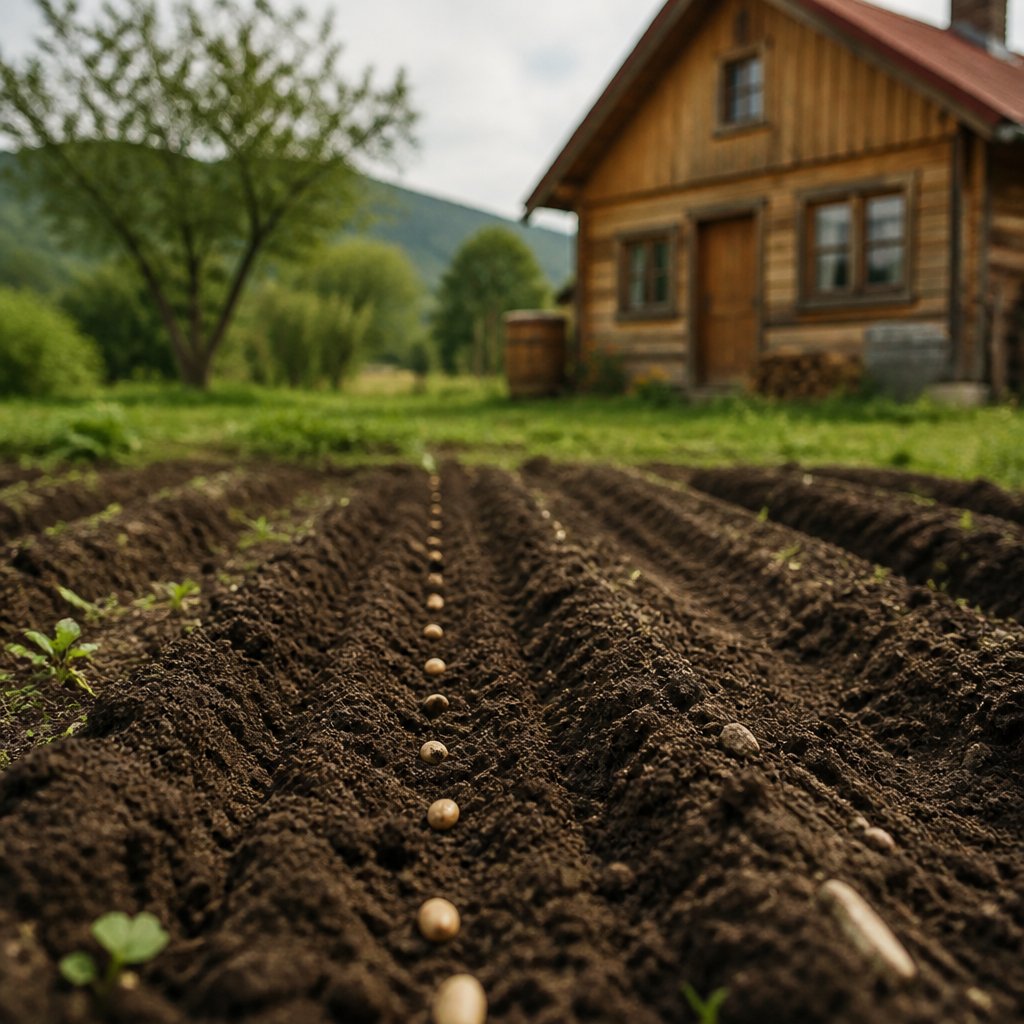
What Should You Do on Day 1, Spring Year 1?
On Day 1, clear enough debris to till 15 plots, plant all 15 Parsnip seeds from your starter pack, and water them. Parsnips take 4 days to grow and sell for 35g each — or 52g at base quality. They’re not exciting, but they fund everything that comes next.
You Might Also Love These Ideas


After planting, spend the rest of Day 1 foraging. The farm and Cindersap Forest are loaded with Spring Onions near the southern river. Each sells for 8g, but more importantly, they keep you from eating into your crop profits to restore energy. Grab every one you see.
Visit Pierre’s General Store before 5 PM. Buy as many Mixed Seeds as you can afford after spending your starter 500g wisely. Pierre closes at 6 PM — don’t miss him.
Neither. Plant first, forage second. You need food to mine efficiently, and you don’t have it yet on Day 1.
Which Spring Crops Actually Make Money in Year 1?
Strawberries are the best Spring crop in Year 1 — full stop. A single Strawberry seed bought at the Egg Festival for 100g produces multiple harvests before Spring ends, returning roughly 300-400g per plant if you buy seeds on Spring 13 and plant immediately.
Here’s the honest Spring crop ranking for Year 1:
- Strawberry — 120g base sell price, regrows every 4 days. Buy at the Egg Festival.
- Cauliflower — 175g base, single harvest, but qualifies as a giant crop. Plant before Spring 7.
- Potato — 80g base, chance to drop 2 at harvest. Solid filler crop.
- Parsnip — 35g base, fastest at 4 days. Use them early to generate cash for better seeds.
- Green Bean — requires a trellis, regrows, but the setup cost and blocked watering makes it low priority in Year 1.
Plant 24 Cauliflower seeds by Spring 7 at the latest, then spend every remaining gold on Strawberry seeds at the Egg Festival. That combination is the fastest path to a comfortable Summer budget.
For the complete crop profit breakdown beyond Year 1, our Stardew Valley best crops ranked guide goes deep on multi-season math.
How Deep Should You Mine Before Summer Year 1?
Reach Mine level 40 before Summer 1 — this unlocks the Gold Ore level range and gives you access to the Frozen Geodes that contain valuable minerals for bundles. Level 40 by the end of Spring is realistic if you mine on rainy days and every day you don’t have crops to water.
Prioritize mine floors with ladders visible. Don’t waste energy killing every monster. Your goal in Year 1 is depth, not combat XP.
Mine on Day 2 and 3 if it’s not raining. You need 5 Copper Bars — smelt them at the Furnace you build with 20 Stone and 25 Copper Ore — then take the Can to Clint.
The Copper Watering Can upgrade is your first must-do upgrade. It waters a 1×3 strip per swing and saves enormous daily energy. Submit it to Clint at least 2 days before a rain so you’re not stuck unable to water crops during the upgrade window.
For deeper dungeon strategy, our Stardew Valley fishing guide also covers how to use rainy days efficiently across both fishing and mining.
What’s the Best Way to Handle Summer Year 1?
Blueberries on Summer 1, no debate. Buy 80-100 Blueberry seeds from Pierre the moment Summer hits. Each seed costs 80g and produces a cluster of 3 berries per harvest, with harvests every 4 days after the initial 13-day growth. A full 6×8 plot of 48 Blueberry plants will fund your Fall seed budget entirely.
Pair Blueberries with Hops if you’ve built a Keg already — but don’t stress Kegs in Year 1 Summer if you haven’t hit the Artisan Equipment bundle yet. Hops sell for 25g raw, but Pale Ale from a Keg sells for 300g. The Keg takes time to build and needs Oak Resin, so assess your situation honestly before planting a field of Hops you can’t process.
Also in Summer: prioritize the Fish Tank bundle. Catfish and Shad appear in Summer rain. Watch the weather forecast and fish on those days specifically.
Is the Traveling Cart Worth Visiting Every Week?
Yes — visit the Traveling Cart every Friday and Sunday in Cindersap Forest without exception. This is one piece of conventional advice that’s completely correct. The Cart stocks random items including Rare Seeds (sells for 2,500g as a Sweet Gem Berry), Bundle items you’re missing, and crop seeds unavailable from Pierre.
The Rare Seed costs 1,000g at the Cart. Buy it every single time you see it in Spring or Summer. Plant it in Fall and harvest one Sweet Gem Berry worth 3,000g base — or donate it to the Old Master Cannoli statue in Cindersap Forest for a Stardrop, which permanently increases your max energy.
Complete the Spring Crops Bundle (Parsnip, Green Bean, Cauliflower, Potato) and the Boiler Room bundles first. They unlock the Mine Cart repair, saving you enormous travel time for the rest of Year 1.
Should You Focus on Friendships or Farming in Year 1?
This is where I’ll push back hard on the popular advice: most Year 1 guides tell you to talk to every villager every day. Don’t. Not in Year 1.
Friendship matters enormously for recipes, access, and story — but reaching 2 hearts with everyone in Year 1 has almost no gameplay impact compared to completing the Community Center bundles faster. Prioritize giving gifts to Harvey (Coffee, Pickles) and Willy (Fish) because their rewards — the medical records and fishing upgrades — help Year 1 directly. Give a birthday gift to whoever has a Spring or Summer birthday for the 8x friendship bonus. Otherwise, wave as you walk past and keep farming.
Year 2 is when deep friendship investment pays off. Year 1 is survival mode.
If you want the full relationship roadmap, our Stardew Valley gift guide for all villagers breaks down every loved item by character.
What Should You Plant in Fall Year 1 to Set Up Year 2?
Cranberries are the Fall equivalent of Blueberries — buy as many as you can afford from Pierre on Fall 1. They cost 240g per seed, regrow every 5 days after the 7-day initial growth, and produce 2 Cranberries per harvest at 75g each. A 6×8 grid of 48 Cranberry plants generates substantial cash before Winter shuts down field crops entirely.
Also plant Pumpkins (75g base, 8-day single harvest) and Yams (160g base, 7-day single harvest) because both appear in Fall bundles. Don’t skip these for pure profit — bundle completion unlocks the Greenhouse, which is one of the most powerful Year 2 tools in the game.
Use the final week of Fall to stockpile 200+ Wood and 200+ Stone. Winter has no crops to tend, and you’ll need building materials to construct Coops and Barns during those slower months.
How Do You Make Winter Year 1 Productive?
Winter Year 1 feels like dead time. It isn’t. Use it for four things: mine to level 80+ to access the Skull Cavern preparation, complete all remaining bundles using stored goods, build your Coop or Barn using saved materials, and level your Fishing skill by fishing the Mountain Lake and ocean daily.
Fishing in Winter is underrated. The Angler fish (caught in Town river, any weather, Fall — but stockpile fish with quality) and others count toward bundles. More practically, fishing in Winter generates 100-400g per fish with minimal energy investment, gives you Food items that restore energy, and the Fishing Skill unlocks better rod attachments like Bait (halves bite time) at level 2.
New players often feel lost in the first few days — our Stardew Valley beginner’s guide covers the very first week in more detail if you want a slower walkthrough before using this priority system.
If you enjoy the cozy loop of Stardew and want something similar to play alongside it, our best games like Stardew Valley list has strong recommendations for 2026.
Yes, but only if you’re aggressive about it. You need a Red Cabbage (only available from the Traveling Cart or Pierre in Year 2 normally) — the Cart in Year 1 occasionally stocks it. Most players finish the Community Center in Year 2, Spring or Summer.

Frequently Asked Questions
What is the most important thing to do on Spring 1 Year 1 in Stardew Valley?
Plant all 15 Parsnip seeds from your starter pack immediately on Day 1. Till the soil first thing in the morning, plant, water, then spend the rest of the day foraging Spring Onions in Cindersap Forest for free food. Visit Pierre’s store before 6 PM to check seed stock. This exact sequence sets up your first cash infusion by Spring 5 and keeps you fed without spending gold.
Should you choose Combat, Farming, or Mining first in Stardew Valley Year 1?
Focus on Farming and Mining in Year 1. Farming generates the gold that funds everything. Mining unlocks better tools, metal bars for crafting, and the Skull Cavern later. Combat levels naturally as you mine. Don’t grind the Mines for combat XP — descend fast, skip floors when you find ladders, and only fight monsters that stand between you and the next level.
How many Strawberry seeds should you buy at the Egg Festival?
Buy as many as you can afford, but aim for at least 20 seeds minimum. Each costs 100g at the Festival. If you’ve farmed and sold efficiently through Spring 1-12, you should have 3,000-5,000g available, which buys 30-50 seeds. Plant them all immediately on Spring 13 and water daily. Each plant produces multiple harvests before Spring ends, making them the best return on investment in Year 1.
What tool upgrades should you prioritize in Year 1?
Upgrade in this order: Copper Watering Can first (saves energy every single day), then Copper Pickaxe (breaks rocks faster in the Mines), then Steel Watering Can (waters a 3×3 area). Don’t upgrade the Axe or Hoe early — wood and tilling can wait. Each upgrade takes 2 in-game days and costs Copper or Iron Bars plus gold. Time upgrades during rainy days so you don’t lose a watering day.
Is it worth getting animals in Year 1?
Build a Coop in late Fall or Winter Year 1 and buy Chickens from Marnie for 800g each. Eggs sell for 50-95g and are also required for the Animal Bundle. Don’t rush animals before Fall — the Coop costs 4,000g plus 300 Wood and 100 Stone, and your Spring and Summer gold is better spent on seeds. Animals in Winter keep producing income when your fields are frozen, making them the perfect Winter transition investment.
How do you get a Copper Bar in Stardew Valley?
Mine Copper Ore in the Mines starting at level 2-39. You need 5 Copper Ore to smelt one Copper Bar in a Furnace. Build a Furnace using 20 Copper Ore and 25 Stone — ConcernedApe placed this recipe as your first Mining reward. Smelting takes 30 in-game minutes. Mine on Days 2-4 of Spring and you’ll have enough Copper Bars to upgrade your Watering Can within the first week.
What is the best way to earn gold fast in Winter Year 1?
Fish every day in Winter. The Mountain Lake and town river produce fish worth 100-400g each depending on quality and species. Pair fishing with selling any stockpiled crops from Fall, processing Kegs if you have them running, and selling foraged Winter items like Holly and Nautilus Fossils. If your Coop is running, sell Gold-quality Eggs daily. Winter income won’t match Summer farming, but 500-1,000g per day is achievable with this routine.
Can you complete the Community Center bundles in Year 1?
Most players finish in Year 2, but Year 1 completion is possible with aggressive Traveling Cart shopping. The main blocker is the Red Cabbage in the Dye Bundle — Pierre only stocks it in Year 2, but the Traveling Cart occasionally sells it in Year 1 for 2,000-3,000g. Check the Cart every Friday and Sunday. If you find it, buy it immediately. Complete all other bundles by saving one of every crop you harvest throughout the year.
What should you do on rainy days in Stardew Valley Year 1?
Mine. Rainy days mean your crops water themselves, freeing your entire energy bar for the Mines. Bring food (Fried Egg costs 35g from the Saloon, or cook one yourself), mine as deep as possible, and smash rocks for Stone and Ore. Also fish on rainy days for the Catfish — it only appears in River and Forest during rain, sells for 200g base, and appears in a Community Center bundle. Rainy days are your most productive days if you use them right.
What is the Sweet Gem Berry and should you prioritize it in Year 1?
The Sweet Gem Berry grows from a Rare Seed, which the Traveling Cart sells for 1,000g in Spring and Summer. Plant the Rare Seed in Fall and it produces one Sweet Gem Berry after 24 days, selling for 3,000g base. More importantly, donating it to the Old Master Cannoli statue in Cindersap Forest rewards a Stardrop, permanently increasing your max energy. Buy and plant one Rare Seed in Year 1 Fall — it’s one of the best investments in the game.