Stardew Valley Spring Crops: Best Picks for Profit

Stardew Valley Spring Crops Guide: Best Picks for Maximum Profit
You just started a new save, Spring Day 1 is staring at you, and you have 500g and zero idea what to plant. Make the wrong call here and you’ll spend the entire season scraping copper ore while your farm earns nothing. Get it right and you’ll hit Summer with a fat wallet and a real plan.
- Strawberries are the best spring crop — buy seeds at the Egg Festival on Day 13.
- Potatoes give the best early return before the Egg Festival arrives.
- Cauliflower is the only spring crop that can become a Giant Crop for bonus yield.
- Green Beans provide steady income through the trellis but require more setup time.
- Never plant Parsnips past Day 5 — they won’t recoup the effort late in spring.
What Are the Best Stardew Valley Spring Crops for Year 1 Profit?
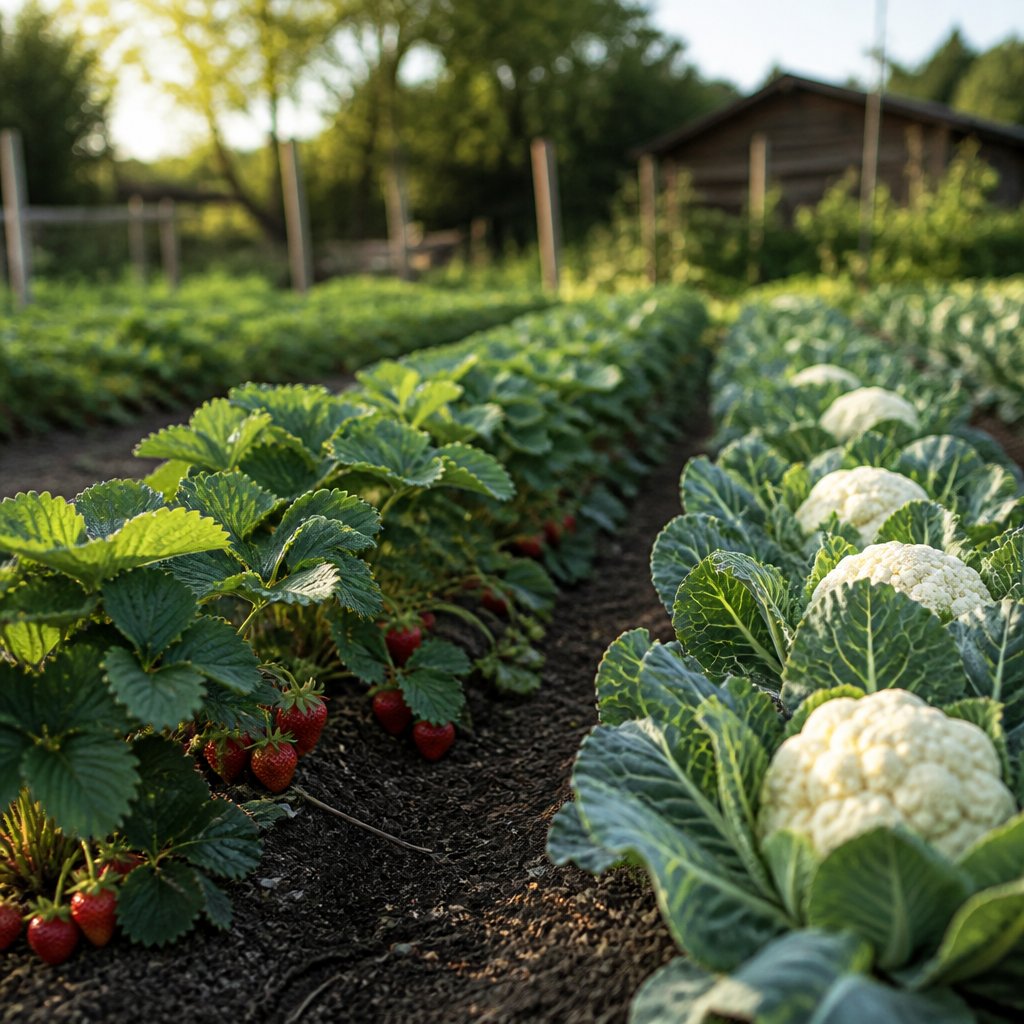
Strawberries are the single best spring crop, but you can’t buy them until Day 13. That gap is where most new players lose money. Fill Days 1–12 with Potatoes and a handful of Cauliflower, then go all-in on Strawberries at the Egg Festival.
Here’s the ranked breakdown by gold per day (approximate, base quality, no farming level bonuses):
You Might Also Love These Ideas


- Strawberry — 120g per berry, regrows every 4 days after first harvest on Day 6 post-festival. Nets roughly 650g+ profit per seed across the season.
- Cauliflower — sells for 175g base, 12-day grow time, no regrow. Giant Crop chance adds serious upside if you plant 3×3 blocks.
- Potato — 80g base, 6-day grow, has a chance to yield extra potatoes on harvest. Best pre-festival filler crop.
- Green Bean — 40g per bean, regrows every 3 days, but the trellis structure complicates pathing. Strong mid-tier earner.
- Parsnip — 35g base, 4-day grow. Only useful Days 1–4 to hit Farming Level 1 faster. Don’t plant these for profit.
After 400 hours in Stardew Valley across PC and Switch saves, the Strawberry-first strategy has never failed to produce the strongest financial foundation for Summer. Check out our full Stardew Valley crop profit rankings for numbers across all four seasons.
How Do You Maximize Strawberry Profit at the Egg Festival?
Buy every Strawberry Seed Pierre sells at the Egg Festival on Spring Day 13 — he stocks an unlimited supply at 100g each. Bring as much gold as you can carry.
Plant immediately on Day 13. Strawberries take 8 days to first harvest, putting your first pick on Day 21. They regrow every 4 days, so you get a second harvest on Day 25 and a third on Day 29, just before the season ends on Day 28. That’s two harvests minimum per seed planted at the festival.
Target planting at least 48 Strawberry Seeds in a 6×8 grid. At base quality (no silver or gold), that’s roughly 48 × 120g × 2 harvests = 11,520g gross before expenses. Subtract 4,800g in seed costs and you clear approximately 6,700g net from one crop in half a season.
Buy as many as you can afford, aiming for at least 48 seeds. More seeds means more regrowth harvests before Spring ends on Day 28.
Use a Stardew Valley Wiki Strawberry page to double-check harvest timing if you’re experimenting with Speed-Gro fertilizer.

What Should You Plant on Spring Day 1 Before the Festival?
Plant Potatoes and Cauliflower on Day 1, not Parsnips. Parsnips exist to level your Farming skill early — they’re not a serious money crop.
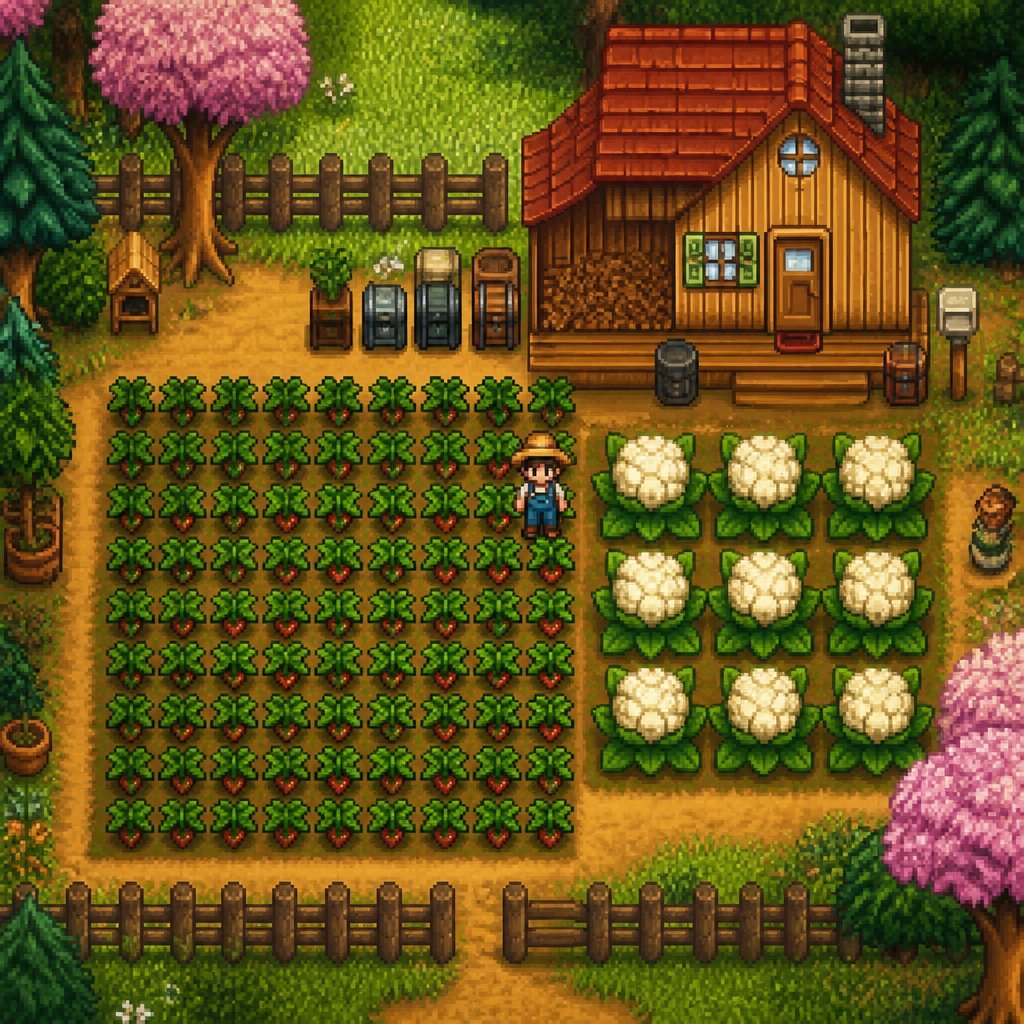
The optimal Day 1 split: plant 15 Cauliflower (175g each, 12-day grow, harvest by Day 13) and fill the rest of your tilled land with Potatoes (80g base, harvest every 6 days with bonus drop chance). This gives you cash flow arriving around Days 6–13, right before the Egg Festival drains your wallet.
Yes. Cauliflower harvests right around the Egg Festival, refilling your gold before you spend it all on Strawberry Seeds. It also has Giant Crop upside in 3×3 blocks.
One important timing note: Cauliflower planted on Day 1 harvests on Day 13 — the same day as the Egg Festival. Time your morning carefully. Harvest first, then walk to the festival before 2 PM or you’ll miss it entirely and lose your Strawberry window for the year.
Does Fertilizer Actually Matter for Spring Year 1 Crops?
Basic Fertilizer (100g, crafted from 2 Sap or bought from Pierre) increases your chance of higher-quality crops. For Strawberries specifically, this matters a lot. Gold-quality Strawberries sell for 240g versus 120g base — double the money per berry.
Quality Fertilizer costs 150g per tile. That’s expensive on a fresh save. Prioritize Basic Fertilizer on your Strawberry tiles first. If you’re sitting on extra Sap from foraging or tree-clearing, craft and apply it to every Cauliflower tile too.
Speed-Gro (crafted from Coral and Pine Tar, or bought from Pierre for 100g) cuts grow time by 10%. For Strawberries planted on Day 13, Speed-Gro won’t unlock a third harvest — the math doesn’t work out cleanly. Skip it on Strawberries. Apply it to Cauliflower if you’re planting after Day 1 and need the timing buffer.
Are Green Beans Worth the Hassle in Spring?
Green Beans are genuinely underrated but they come with a real trade-off. The trellis mechanic means you can’t walk through planted tiles — you must build your grid with access rows baked in. Skip this and you’ll trap yourself out of your own crops.
The profit case: Green Beans cost 60g per seed, yield 40g base per harvest, and regrow every 3 days after the 10-day initial growth. In a full season planted Day 1, you get roughly 5–6 harvests per plant. That’s 200–240g gross on a 60g investment — solid, not spectacular.
The FarmVilleFreak community has debated Green Beans for years and the consensus holds: plant them only if you’ve already locked in Strawberries and Cauliflower and have leftover tilled soil. Don’t build your Year 1 strategy around them.
No. Trellis crops block movement. Plan your grid with every other row open, or you’ll lock yourself out of harvesting the center tiles.
What’s the Contrarian Take — Is Strawberry Really #1?
Here’s what most guides won’t say: Strawberries are only the best crop if you plant enough of them on Day 13. If you show up to the Egg Festival with 1,200g, you buy 12 seeds and walk away with a mediocre patch. The conventional advice assumes you’ve spent Days 1–12 efficiently. Most new players haven’t.
For players who miss the Egg Festival entirely — it happens, the 2 PM cutoff is brutal — Cauliflower becomes your best option. A farm of 60 Cauliflower planted by Day 4 nets roughly 7,500g by harvest. That’s not as good as Strawberries done right, but it beats the alternative of planting Parsnips and Potatoes in despair for the rest of the month.
The real lesson: your Day 1–12 play determines whether Strawberries are actually your best crop. Rush the money, buy the seeds, plant them all. If you miss the festival, pivot to Cauliflower without guilt. One missed festival doesn’t break a run — it just shifts the strategy.
For a broader view of what makes a farming strategy work across multiple seasons, our Stardew Valley beginners guide covers the full Year 1 roadmap.
How Does Friendship Affect Your Crop Income in Spring?
Pierre and Haley both love certain spring crops as gifts. Pierre loves Fried Egg (not crops directly), but gifting him Daffodils — a forageable — raises his friendship and occasionally unlocks shop discounts through the Community Center bundle chain. More importantly, completing the Spring Crops Bundle at the Community Center (Parsnip, Green Bean, Cauliflower, Potato) unlocks the Greenhouse, which is the single biggest long-term farming upgrade in the game.
Don’t sell every crop. Set aside one Parsnip, one Green Bean, one Cauliflower, and one Potato for the bundle. Losing 500g in sell value is worth nothing compared to getting the Greenhouse running before Winter Year 1.
For the full gift preferences of every villager in Pelican Town, our Stardew Valley villager gift guide has every character mapped out.
What Crops Should You Avoid in Spring?
Avoid Tulips and Blue Jazz for profit — they’re decorative crops that sell for 30g and 50g respectively. They’re fine if you want to fulfill the Artisan Bundle later or just like how they look. Zero shame in that. But never plant them at the expense of Strawberry or Cauliflower tiles.
Avoid Rhubarb unless you’re playing on a save that specifically needs artisan goods. Rhubarb sells for 220g base, which looks impressive, but its 13-day single-harvest grow time edges past the Egg Festival timing and doesn’t regrow. Cauliflower beats it on versatility.
Not for raw profit. Rhubarb takes 13 days and doesn’t regrow. Cauliflower earns more per day and has Giant Crop upside. Save Rhubarb for keg-processed Rhubarb Wine later in the game.
If you want to explore farming games that scratch a similar itch with different mechanics, our best games like Stardew Valley list covers the strongest alternatives right now.
You can also check ConcernedApe’s official Stardew Valley site for patch notes and any updates that affect crop mechanics.
Frequently Asked Questions
What is the most profitable spring crop in Stardew Valley?
Strawberry is the most profitable spring crop when bought at the Egg Festival on Spring Day 13. Each seed costs 100g and yields 120g per berry at base quality, with regrowth every 4 days. Planted Day 13 on a standard save, you get two harvests before the season ends, returning roughly 140g net profit per seed — and significantly more at gold quality with fertilizer applied.
When is the Egg Festival in Stardew Valley?
The Egg Festival takes place on Spring Day 13. It runs from 9 AM until 2 PM in-game time. Pierre sells unlimited Strawberry Seeds at his festival stall for 100g each. You must arrive before 2 PM or the festival ends and you lose access to the seeds for the entire year. Harvest your morning crops before heading to the festival to avoid losing time.
Should I plant Parsnips in Stardew Valley Spring Year 1?
Only plant Parsnips on Days 1–4 to level up your Farming skill quickly. They sell for just 35g base and don’t justify the tile space after the first few days. Their real value is speed-leveling Farming to unlock better tools and fertilizer recipes. One batch of 8–10 Parsnips is enough. Use remaining tiles for Potatoes and Cauliflower immediately after.
Can you get a Giant Crop in Spring Year 1?
Yes. Cauliflower is the only spring crop that can become a Giant Crop. Plant a 3×3 block of nine Cauliflower seeds on tilled soil and leave the center tile unwatered one day — actually, just water all nine consistently. Each day after maturity, a fully watered 3×3 block has a small random chance to merge into a Giant Crop, which yields 15–21 Cauliflower when harvested with an axe.
What crops are needed for the Spring Crops Bundle?
The Spring Crops Bundle in the Crafts Room at the Community Center requires one Parsnip, one Green Bean, one Cauliflower, and one Potato. Completing it contributes toward the Greenhouse reward. Set aside one of each crop before selling your harvest. The Greenhouse lets you grow any crop year-round and is arguably the most important milestone in the entire game for long-term farming.
What happens if you miss the Egg Festival in Spring Year 1?
Missing the Egg Festival means no Strawberry Seeds until Year 2. It is a significant setback but not a run-ender. Pivot immediately to Cauliflower and Potato for the remaining days. Focus the gold you saved on upgrading your Watering Can to Copper at the Blacksmith (2,000g plus 5 Copper Bars), which saves you significant energy every morning and pays dividends across all future seasons.
Does Speed-Gro fertilizer help Strawberries in Spring?
Speed-Gro reduces Strawberry grow time from 8 days to approximately 7 days when applied before planting. Planted on Day 13 with Speed-Gro, first harvest moves to around Day 20 instead of Day 21 — this does not unlock a third harvest before Day 28. Deluxe Speed-Gro cuts growth by 25%, bringing first harvest to Day 19, which also doesn’t add a third cut. Skip Speed-Gro on Strawberries and spend those resources on Basic Fertilizer instead.
How much gold should I save before Spring Day 13?
Aim to have at least 5,000–8,000g liquid gold ready before the Egg Festival on Day 13. That lets you buy 50–80 Strawberry Seeds without gutting your other expenses. Achieve this by selling your Potato and Cauliflower harvests from Days 1–12, foraging spring items like Daffodils and Leeks, and completing any profitable mine runs for ore. Don’t spend heavily on tools before Day 13 if it cuts your seed budget.
Are Green Beans or Potatoes better in Stardew Valley Spring?
Potatoes are better for new players. They cost 50g per seed, grow in 6 days, and have a bonus yield chance that effectively lowers your cost per potato. Green Beans cost 60g, take 10 days to first harvest, and regrow every 3 days — strong over a full season, but the trellis movement restriction trips up beginners. Once you understand grid planning, Green Beans become competitive. Until then, plant Potatoes and avoid the pathing headache.
What’s the best use of gold-quality spring crops?
Sell gold-quality Strawberries immediately for 240g each unless you’re building Artisan Goods later. Gold Cauliflower sells for 350g base — exceptional. However, if you’ve unlocked kegs or preserve jars by late Year 1, Pickled Cauliflower and Strawberry Jam both outperform raw sale prices significantly. For Year 1 specifically, sell everything raw and reinvest into infrastructure. Processing becomes the focus in Year 2 when you have volume and equipment to support it.