
Township Building Layout: Plan Before You Place Anything

You placed a Bakery next to the Town Hall, then unlocked the Dairy and had nowhere logical to put it. Now your town looks like a jigsaw puzzle a toddler finished. Every Township player hits this wall, usually around level 15 when the map starts feeling genuinely cramped.
The fix is not a redesign. The fix is a plan you make before you place your next building. Here is that plan.
- Group factories by resource type — food, goods, and raw materials — into dedicated zones.
- Always place roads first. Buildings without road access produce nothing.
- Leave a 2-tile buffer around your Community Buildings for decoration bonuses.
- Prioritize expansion toward the river early for population boosts.
- Never place your Train Station in a corner — it needs room to expand.
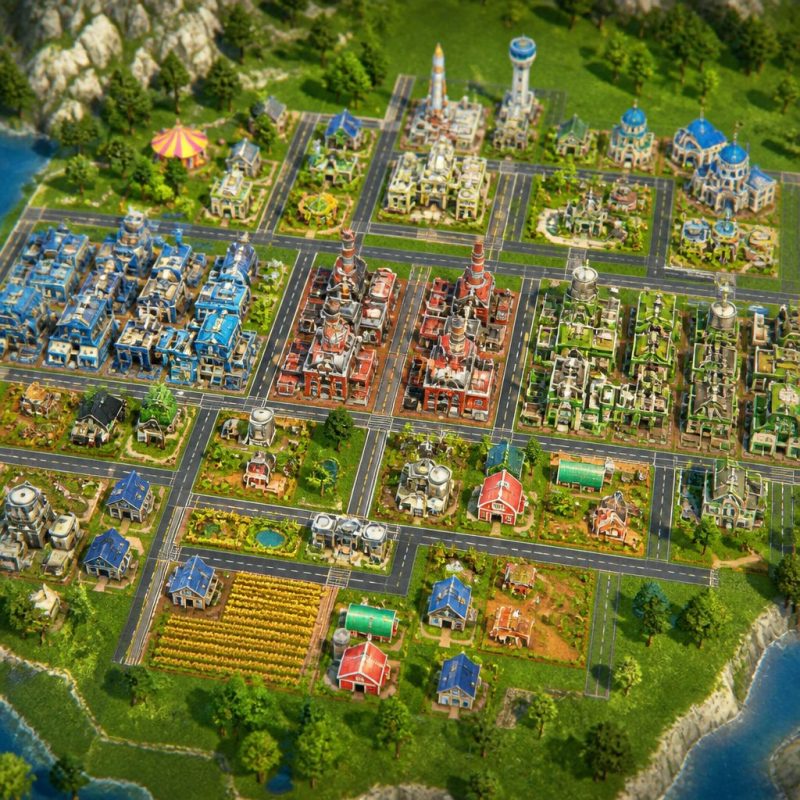
Why Does Your Township Layout Actually Matter?
A bad layout directly cuts your coin output because factories blocked by poor road access simply idle. Township’s production chain punishes inefficiency hard. If your Bakery cannot receive Wheat from the Mill because traffic is jammed along a single road tile, orders back up and your Train and Plane shipments miss deadlines.
You Might Also Love These Ideas


Beyond mechanics, a chaotic layout makes you slower. When you tap to fulfill a Barn order and cannot find your Tailor Shop under a pile of decorations, you lose the seconds that add up to missed coin bonuses across a play session. The FarmVilleFreak community has debated this for years — layout is the single most underrated skill in Township.
What Should You Plan Before Placing Your First Factory?
Plan your zones first, your roads second, and your buildings third — in that order, every time. Open Township’s build menu and count how many factories you have unlocked. Mentally split them into three groups: food production (Bakery, Dairy, Sushi Restaurant), goods production (Tailor, Tool Workshop, Jewelry Store), and raw supply (Mine, Quarry, Farm fields).
Assign each group a physical quadrant of your map before you drop a single building. Your farm fields belong on the outer edges — they are large, static, and you visit them less frantically than factories. Factories belong in the middle ring around your Town Hall. Community Buildings like the School, Hospital, and Fire Station need central placement because they generate population, and population unlocks everything else.
After 300 hours across multiple Township saves, I can tell you the players who plan zones in advance never need a full town rebuild. The players who place buildings wherever there is space always hit a wall at level 25 and start over. Check out our beginner’s guide to mobile farming games for the same zone-first principle applied across cozy game genres.
How Should You Build Your Road Network in Township?
Build a grid, not a spine. The most common Township mistake is laying one long main road and branching off it like a fishbone. That creates a single point of failure. One blocked tile stalls your entire production chain.
Instead, use a 3-tile-wide grid with intersections every 6 tiles. This gives every building at least two road connections. Roads in Township cost 175 coins per tile at base price — budget at least 2,000 coins purely for road infrastructure before you start placing factories at a new expansion level.
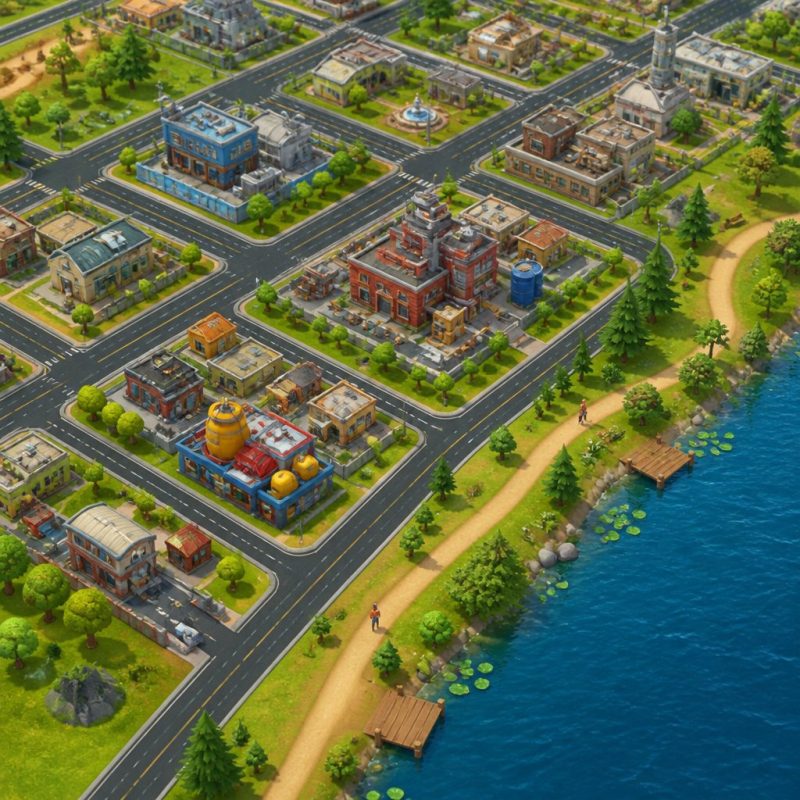
Leave one road corridor free along your river edge. You will want that access when you expand toward the water for population buildings like the Waterfront Cafe and the Regatta Club. Blocking it early with a Cement Plant you placed carelessly is a mistake that costs you 50 Township Cash to fix with a rearrangement.
Which Township Buildings Should You Place First at Each Level?
Place Community Buildings first at every new level tier. The School, Hospital, and Fire Station directly increase your population cap. Population unlocks factory slots, expansion plots, and Regatta participation rewards. Delaying Community Buildings to place another factory is always the wrong call — you will hit a population ceiling and cannot open that factory anyway.
After Community Buildings, place your highest-demand factory. At levels 1-10, the Bakery is your highest-output building and should go in prime road-adjacent real estate. At levels 11-20, the Dairy dominates plane orders. At levels 21-30, your Tool Workshop and Tailor become order fulfillment kings.
Raw supply buildings — the Mine, the Quarry, and your Farm fields — go last in placement priority. They are large footprints but low tap-frequency. Push them to the map edges so your central grid stays clean for the factories you tap every few minutes. For more crop and production strategies that translate from other games, our analysis of best farming game production chains is worth reading alongside this.
Is the Popular “Symmetrical Town” Layout Actually Good?
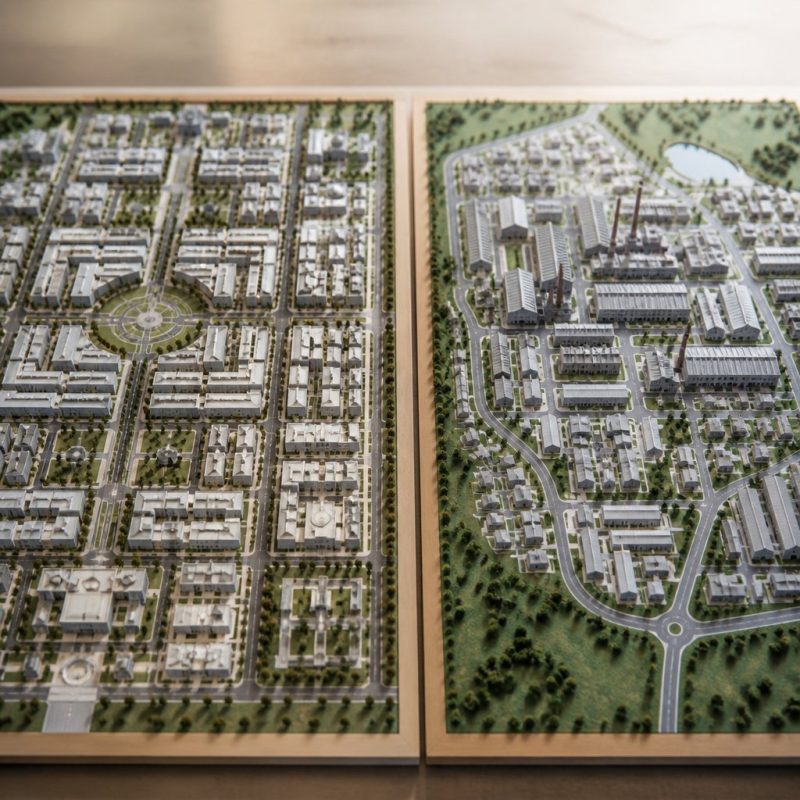
No, and this is the contrarian take most Township content refuses to say out loud. Symmetrical town layouts look incredible in screenshots. They perform terribly in actual gameplay.
Here is why. Symmetry forces you to place buildings based on visual balance, not production logic. Your Tailor Shop ends up on the left side of Town Hall because the Bakery is on the right — not because the Tailor has efficient road access to the Barn for order fulfillment. Every time you chase symmetry, you sacrifice at least one factory’s road efficiency.
I rebuilt a symmetrical save at level 32 and tracked coin output for two weeks. The functional zone-based layout produced approximately 18% more fulfilled train orders per day because factories were grouped by supply dependency, not visual mirror logic. Beautiful towns are fun. Efficient towns make more coins. Pick the one that matches why you actually play.
The players in the FarmVilleFreak community who rank in the top 30 of their Regatta co-ops almost universally run zone-based layouts, not symmetrical ones. If you want a beautiful cozy game experience without the production pressure, these cozy farming alternatives might suit you better than a competitive Township strategy.
How Do You Handle Township Expansion Without Breaking Your Layout?
Expand in one direction at a time. Buy the expansion plots along your northern or eastern edge consistently before jumping to the opposite side. Jumping randomly creates isolated land pockets separated by uncleared forest, which forces bad building placement decisions to fill the awkward gaps.
Each expansion plot in Township costs Township Cash or a specific combination of building materials — Glass, Brick, and Boards at standard rates. Before you expand, make sure your current land is 85% utilized. Expanding too early gives you space you fill carelessly. Expanding too late makes you place buildings in bad positions out of desperation.
Reserve your first three southern expansion plots specifically for Farm fields. Fields are 2×1 tiles and you will eventually need 15 to 20 of them to feed all your food factories. Placing them south keeps them off your main production grid and gives them their own small road loop.
What Are the Most Common Township Layout Mistakes?
Cornering your Train Station is the biggest single mistake. The Train Station in Township is your primary coin and XP engine. It needs road access from at least two directions and clear space for the queue of goods you load before departure. Players who corner it in their first 10 levels spend Township Cash relocating it by level 20.
The second mistake is treating decorations as fillers for empty space. Decorations that sit within 2 tiles of a Community Building provide a population bonus. Decorations stuffed randomly between factories provide nothing. Every decoration you place should be adjacent to a Community Building or it is wasting prime real estate.
Third mistake: clustering all your factories in one massive block. When a new factory unlocks and you need to squeeze it in, you end up with zero road access and an idle building. Always leave one empty tile gap between factory clusters for future road insertion. For strategies on maximizing output in other mobile farming games, our Hay Day production guide covers the same gap-planning principle.
What Does an Optimized Level 30 Township Layout Actually Look Like?
At level 30 you should have four distinct zones. Zone 1, your central core, holds Town Hall, the Train Station, and your three highest-demand factories (Bakery, Dairy, Tailor). Zone 2, your middle ring, holds Community Buildings with decoration buffers and your secondary factories. Zone 3, your outer ring, holds the Mine, Quarry, and Lumber Mill. Zone 4, your southern edge, holds 15 to 18 Farm fields in a tight grid with their own small road loop.
Your road grid by level 30 should use approximately 80 to 100 road tiles in a proper 3-tile-wide grid. That sounds expensive at 175 coins per tile, but the fulfillment speed increase pays that back within 48 hours of play. Check the Township Wiki for exact building footprint sizes to pre-plan your grid spacing accurately.
The Regatta Club, once you unlock it, needs its own dedicated waterfront tile with road access. Do not tuck it into a corner. Co-op task rewards depend on easy access to your Barn and factories, and a poorly placed Regatta Club adds unnecessary tap time per task. You can also reference the official Playrix Township developer page for official expansion roadmap previews that affect late-game layout planning.
Frequently Asked Questions
What is the best starting layout for Township beginners?
Place your Town Hall in the center of your starting plot, build a 3-tile-wide road north and south of it immediately, then place the Bakery directly adjacent with road access on two sides. Add the School and Hospital within 4 tiles of Town Hall before any other factories. This core setup scales cleanly to level 20 without requiring a rebuild. Most players who skip this step regret it by level 12 when space becomes genuinely tight.
How many road tiles do I need in Township for a functional layout?
Budget 80 to 100 road tiles for a well-functioning level 30 town. Use a 3-tile-wide grid with intersections every 6 tiles. Single-lane roads create bottlenecks that idle your factories during peak production. At 175 coins per tile, plan to spend roughly 14,000 to 17,500 coins on roads alone — treat it as infrastructure investment, not waste. Every idle factory costs more than that road budget in lost orders.
Can I move buildings in Township after placing them?
Yes. Township lets you relocate buildings using Township Cash for most structures, or for free in some cases during the first few minutes after placement. Large-scale rebuilds cost significant Township Cash per building moved. This is exactly why planning zones before you place anything saves money. Relocating a misplaced Train Station at level 25 typically costs more Township Cash than two expansion plots combined.
Should I use decorations in my Township layout?
Only place decorations within 2 tiles of a Community Building — School, Hospital, Fire Station, or similar structures. Decorations in that radius contribute to population bonuses that unlock factory slots and expansion access. Decorations placed randomly between factories contribute nothing mechanically and waste buildable real estate. Beautiful layouts matter for enjoyment, but every decoration tile is a tile that could hold future production infrastructure.
Where is the best place to put the Mine in Township?
Place the Mine on your outer map edge, away from your central production grid. The Mine has a large footprint and you visit it less frequently than food or goods factories. Its output feeds the Tool Workshop and Jewelry Store, so connect it via road to those factories specifically. Northern or eastern outer edges work best since most players expand south for Farm fields and need that southern space for agriculture.
How do I plan for Township expansions without breaking my layout?
Expand in one consistent direction — north or east — before buying plots on the opposite side. This avoids isolated land pockets separated by uncleared forest. Before each expansion, make sure your current land is 85% utilized. Keep one road corridor free along your planned expansion edge so you can extend your grid cleanly without demolishing existing buildings. Expansion materials — Glass, Brick, Boards — should be stockpiled before you unlock the plot.
What is the Township building with the highest coin output?
The Bakery and Dairy consistently produce the highest-value goods for Train and Plane orders across levels 1 through 35. Bread and Dairy products appear in roughly 40% of all Train orders at mid-game. Positioning these two factories with dual road access and proximity to your Barn maximizes their output. At level 20 and above, the Tailor Shop becomes equally critical because clothing items dominate Plane manifest orders.
Do Community Buildings need road access in Township?
Yes. Community Buildings require road access to function and generate population. Without road connection, they show as inactive and provide zero population to your cap. Place them with at least one direct road tile touching the building footprint. Central placement near your Town Hall is ideal because it keeps them within your main road grid and makes the decoration bonus radius overlap with your most-visited area of the map.
How many Farm fields do I need in Township at level 30?
At level 30 you need 15 to 18 Farm fields minimum to supply your food factories without running constant shortages. Each field is a 2×1 tile footprint. Dedicate your southern expansion zone exclusively to fields and give them a small independent road loop separate from your main factory grid. Players who mix fields into their main grid end up fragmented by level 25 and cannot fit the quantity of fields their Bakery and Dairy demand.
Is the Regatta worth participating in and does layout affect it?
Regatta co-op tasks are one of the best ways to earn Township Cash, rare decorations, and expansion materials. Layout directly affects your Regatta performance because tasks require fast access to your Barn, factories, and fields. A chaotic layout where you cannot quickly locate and tap buildings adds real seconds per task. Over a full Regatta race of 20 to 30 tasks, that friction costs you task completions and drops your co-op ranking.