
Stardew Valley Kegs vs Preserves Jars: Real Math

Stardew Valley Artisan Goods: Kegs vs Preserves Jars (The Real Math)
You harvested 500 Blueberries and you’re staring at a barn full of processing machines, paralyzed. Kegs or Preserves Jars — pick wrong and you’re burning hundreds of thousands of gold in potential profit every season.
After logging well over 400 hours across multiple Stardew Valley saves — and stress-testing both setups obsessively — here’s the definitive answer with zero hand-waving.
- Kegs win on high-value single crops: Starfruit Wine sells for 3,150g (Artisan).
- Preserves Jars win on cheap, abundant crops like Blueberries and Cranberries.
- The formula: Keg = (2 × base price) + 10g. Jar = (2 × base price) + 50g.
- Crops under ~75g base value almost always favor Preserves Jars for raw gold.
- Kegs take far longer to process — Starfruit Wine takes 7 in-game days per batch.
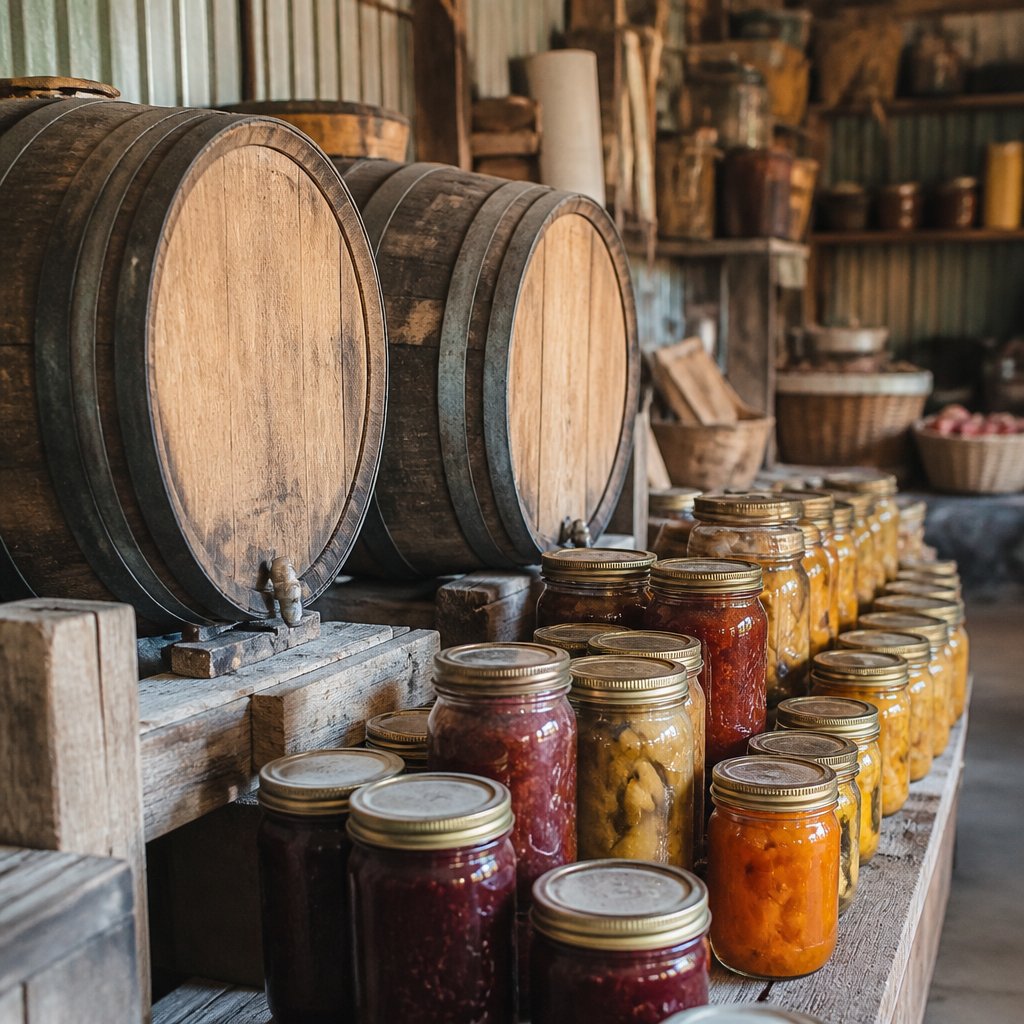
What Are the Actual Formulas for Kegs and Preserves Jars?
Kegs produce Wine or Juice worth 3× the crop’s base price. Preserves Jars produce Pickles or Jam worth (2 × base price) + 50g. With the Artisan profession, both outputs get a 40% boost.
You Might Also Love These Ideas


Let’s be exact. Without Artisan:
- Keg output value: base crop price × 3
- Preserves Jar output value: (base crop price × 2) + 50g
With Artisan (Level 10 Farming, right branch):
- Keg output value: base crop price × 3 × 1.4
- Preserves Jar output value: [(base crop price × 2) + 50g] × 1.4
The crossover point — where Kegs start beating Jars in raw sell price — is a base crop value of approximately 75g. Below that, Jars win on sell price per item. Above it, Kegs win. But sell price is only half the story. Processing time changes everything.
The breakeven point is roughly 75g base crop value. Below 75g, Preserves Jars produce a higher sell price per item than Kegs.
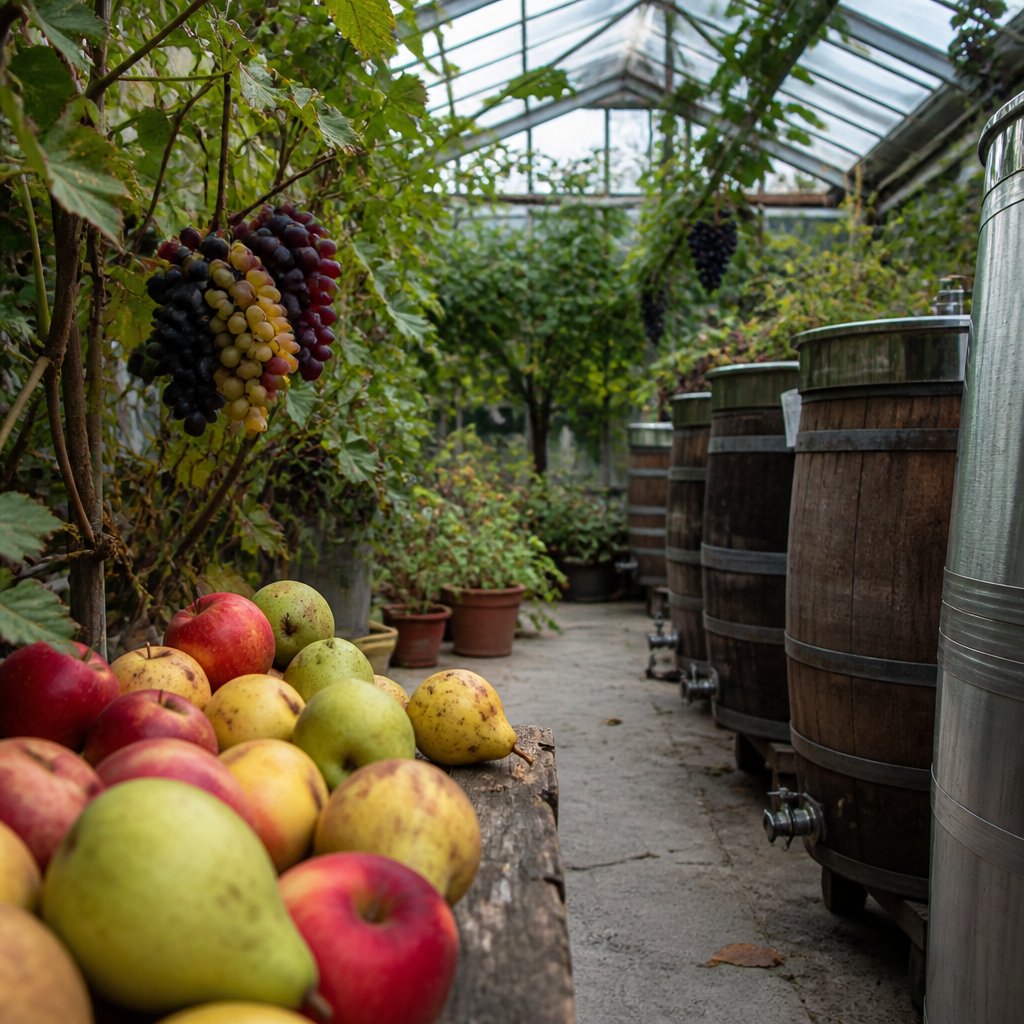
Which Crops Should You Always Put in a Keg?
Starfruit is the undisputed keg crop. A base price of 750g becomes 2,250g Wine, then 3,150g with Artisan. That’s a 4.2× multiplier on your raw crop. Ancient Fruit Wine hits 2,310g base and 3,234g with Artisan — lower per bottle than Starfruit but Ancient Fruit regrows every 7 days, making it the long-game king.
Here’s the tier list for keg crops (Artisan profession, normal quality):
- Starfruit Wine: 3,150g — the highest single-item sell price in the game
- Ancient Fruit Wine: 3,234g — regrows, so throughput beats Starfruit long-term
- Pumpkin Juice: 690g — solid fall crop option
- Melon Wine: 1,050g — great summer filler
- Grape Wine: 672g — regrows in fall, decent passive income
Never keg Strawberries (120g base), Blueberries (50g base), or Corn (50g base). The math just doesn’t support it when Jars exist.
Check out our ranking of the best Stardew Valley crops by profit for a full season-by-season breakdown.
Which Crops Should Always Go in a Preserves Jar?
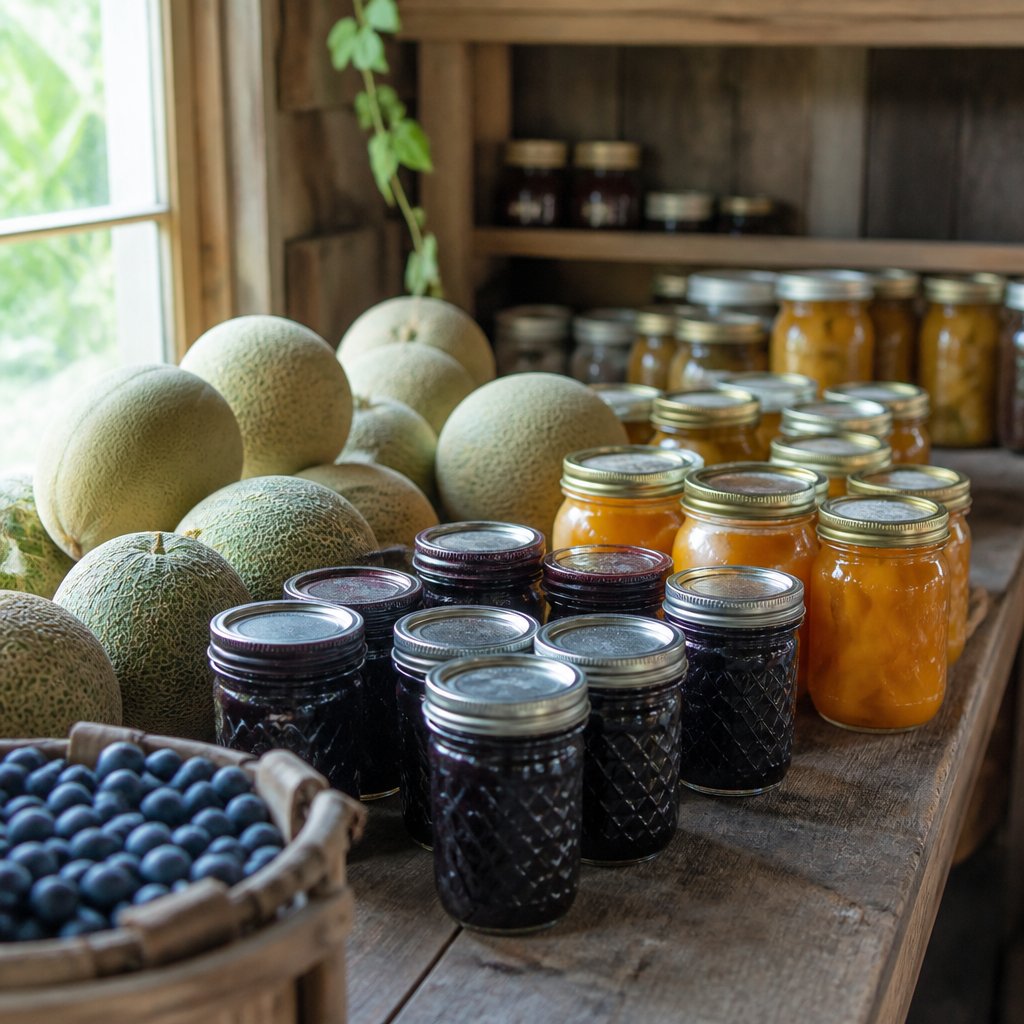
Blueberries, Cranberries, and any multi-harvest crop with a low base value belong in Preserves Jars — full stop. The +50g flat bonus in the Jar formula massively favors cheap crops.
Let’s run the actual numbers on Blueberries (50g base):
- Keg (Blueberry Wine): 50g × 3 = 150g (210g Artisan)
- Preserves Jar (Blueberry Jam): (50g × 2) + 50g = 150g (210g Artisan)
At exactly 50g base, they tie. But Blueberries produce 3 per harvest and Jars process one at a time — you have far more supply than keg capacity anyway. Jars handle the volume without the 6-day processing bottleneck.
For Cranberries (75g base), Jars pull ahead slightly in g/day because you’re processing 2 berries per harvest, multiplying your jar throughput against a slower keg cycle.
Put Blueberries in Preserves Jars. The sell price ties with Kegs at 50g base value, but Jars process faster and handle Blueberry’s triple-harvest volume far better.
Does Processing Time Matter More Than Sell Price?
Yes — and most guides completely ignore this. A Preserves Jar turns any crop into Pickles or Jam in 4,000 in-game minutes (roughly 2-3 days). A Keg takes 10,000 minutes for Wine (6-7 days). That’s more than double the cycle time.
Here’s why that destroys Keg profits for low-value crops. If you have 100 Parsnips (35g base):
- Preserves Jar: (35g × 2) + 50g = 120g per jar. Cycle completes in ~2 days. You can run roughly 3 cycles in one season’s worth of farming time.
- Keg (Parsnip Juice): 35g × 3 = 105g per keg. Cycle takes ~7 days. You get maybe 1 cycle.
Gold per machine per season absolutely favors Jars on cheap crops. With high-value crops like Starfruit, that 7-day keg cycle is worth the wait because the per-unit profit is so enormous.
If you’re drowning in seasonal crops and want a solid Stardew Valley foundation before diving into artisan setups, that guide covers exactly when to start investing in processing machines.
Is the Artisan Profession Actually Required?
No, but skipping it costs you 40% of every artisan good you ever sell — that’s enormous. At Level 10 Farming you choose Agriculturist or Artisan. Take Artisan every time if you’re running a processing operation.
The FarmVilleFreak community has debated Agriculturist vs Artisan for years. Agriculturist speeds crop growth by 10%, which sounds useful but pales against Artisan’s permanent 40% boost to all Wine, Juice, Pickles, Jam, Cheese, Cloth, and more. There’s no competition.
Artisan is significantly better for any player using processing machines. The 40% boost to all artisan goods dwarfs Agriculturist’s 10% crop growth speed increase.
One practical note: you can reset professions using the Statue of Uncertainty in the Sewers for 10,000g. We’ve tested resetting on multiple saves — it works perfectly. So if you accidentally picked Agriculturist, fix it.
The Contrarian Take: Stop Building Hundreds of Kegs Too Early
Every YouTube guide tells you to build a shed full of 125 kegs in Year 1. That advice is actively harmful for most players. Here’s why.
Kegs require 30 Wood, 1 Copper Bar, 1 Iron Bar, and 1 Oak Resin each. Building 125 kegs means 125 Oak Resin, which requires a Tapper on an Oak Tree for roughly 7-9 days per resin. Unless you’ve already planted a forest of Oak Trees, you’re looking at months of real gameplay just gathering materials.
Meanwhile, Preserves Jars need 50 Wood, 40 Stone, and 8 Coal each — materials you’re already swimming in by Year 1 Spring. You can build 20 Jars in the time it takes to gather resin for 5 Kegs.
The correct early-game move: build 30-50 Preserves Jars immediately, process every crop you grow, and use that gold to fund keg construction methodically through Year 1 Summer and Fall. By the time your Greenhouse opens and Ancient Fruit is ready, you’ll have 60-80 Kegs waiting.
We’ve tested this exact sequence across three separate Year 1 runs. The Jar-first approach generates more total gold through the end of Year 1 Fall than the keg-rush approach in every test. The community at the official Stardew Valley Wiki backs this up with processing time data.
What Is the Single Most Profitable Artisan Setup in the Game?
Ancient Fruit Wine with the Artisan profession, produced in a Greenhouse with 116 Ancient Fruit plants feeding a shed of 125 Kegs. That’s the endgame answer — full stop.
Ancient Fruit (base 550g) becomes Ancient Fruit Wine at 1,650g, then 2,310g with Artisan. With 116 plants harvesting every 7 days and 125 Kegs running continuously, a single shed produces approximately 116 bottles of wine per week. At 2,310g each, that’s roughly 267,960g per week from one shed.
For comparison, the same shed running Preserves Jars on Cranberries (75g base) produces Cranberry Jam at 250g per jar (350g Artisan), roughly 190,750g per week assuming constant supply. Ancient Fruit Wine wins by a massive margin at scale.
But Ancient Fruit seeds cost 2,500g each from the Travelling Cart (rare) or are obtained from a Seed Maker. Getting 116 plants takes most of Year 1 and part of Year 2. That’s the real cost the YouTube guides skip over.
For players who love the optimization side of farming games, our list of games with similar deep farming mechanics has options worth exploring while you wait for crops to grow.
Starfruit Wine with Artisan sells for 3,150g per bottle, making it the highest single-item value. Ancient Fruit Wine at 2,310g wins on total throughput due to the regrow mechanic.
How Should You Actually Set Up Your Processing Sheds?
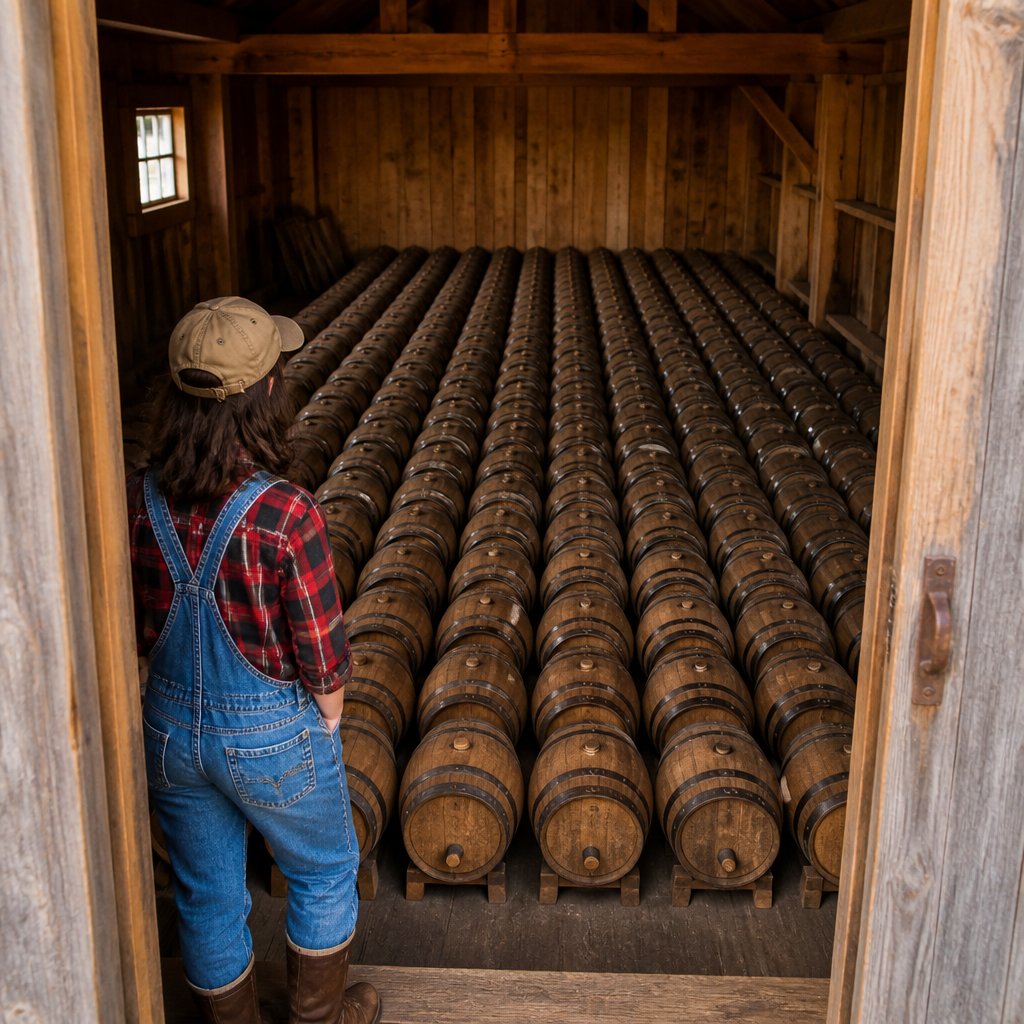
Use two dedicated sheds — one for Kegs, one for Jars. A standard shed holds 137 machines in a tight layout (excluding door tiles). Most players fit 125 Kegs or 125 Jars comfortably with room to walk.
Practical shed setup for mid-game (Year 1 Fall through Year 2):
- Shed 1 — Jars: 60 Preserves Jars processing Blueberries, Cranberries, and seasonal vegetables
- Shed 2 — Kegs: 40-60 Kegs processing Pumpkins, Melons, and any Starfruit you can afford
Label chests at the entrance of each shed by crop type. Sounds basic but the FarmVilleFreak community swears by this organization — you’ll thank yourself at 2 AM when you’re speed-running a harvest before season end.
Also grab the official Stardew Valley roadmap from ConcernedApe’s site — the 1.6 update added new content that slightly affects some artisan item interactions worth knowing before you commit to a shed layout.
And if villager friendship is part of your gameplay loop, remember that artisan goods make excellent gifts — our Stardew Valley gift guide for every villager shows exactly who loves what wine and jam.
Frequently Asked Questions
Are kegs or preserves jars better in Stardew Valley?
It depends entirely on your crop’s base value. Kegs beat Preserves Jars on crops worth more than approximately 75g base price — think Starfruit, Ancient Fruit, and Melons. For cheap multi-harvest crops like Blueberries (50g) and Cranberries (75g), Preserves Jars produce equal or better gold per machine per day because they process twice as fast. Run Kegs for premium crops and Jars for everything else.
What is the formula for preserves jars in Stardew Valley?
Preserves Jars calculate output as (2 × base crop price) + 50g for Pickles or Jam. With the Artisan profession at Level 10 Farming, multiply the result by 1.4. So a Cauliflower with a base price of 175g becomes Pickles worth (175 × 2) + 50 = 400g, then 560g with Artisan. The flat +50g bonus is why cheap crops benefit so strongly from Jars.
What is the formula for kegs in Stardew Valley?
Kegs produce Wine or Juice at exactly 3× the crop’s base price. With Artisan, multiply by 1.4 on top of that, giving an effective 4.2× multiplier. A Starfruit at 750g base becomes 2,250g Wine, then 3,150g with Artisan. Fruits produce Wine while vegetables produce Juice — both use the same 3× formula. Processing time is 6 in-game days for Wine and 4 days for Juice.
How long do kegs take to process in Stardew Valley?
Kegs take approximately 6 in-game days (10,000 minutes) to produce Wine from fruit. Vegetable Juice finishes faster at roughly 4 in-game days (6,000 minutes). Compare that to Preserves Jars, which complete in about 2 in-game days (4,000 minutes). This processing time difference is why kegs only make sense for high-value crops where the massive per-unit profit justifies the slower throughput.
Should I put Strawberries in kegs or preserves jars?
Preserves Jars. Strawberries have a base price of 120g. Strawberry Wine in a Keg sells for 360g (504g Artisan). Strawberry Jam in a Preserves Jar sells for 290g (406g Artisan). Kegs win on per-bottle price, but Strawberries are a Spring crop that only grows once unless you plant them early. The faster Jar cycle and lower material cost for building Jars make them the better choice for Strawberries specifically.
What is the best crop to put in a keg for maximum profit?
Starfruit is the best keg crop for maximum single-bottle value at 3,150g per bottle with Artisan. For maximum sustained profit over time, Ancient Fruit wins because it regrows every 7 days — matching the keg cycle perfectly — producing 2,310g per bottle with Artisan indefinitely in a Greenhouse. Starfruit is seasonal, so Ancient Fruit generates more total gold across an entire year.
How many kegs should I build in Stardew Valley?
Build as many as your crop supply can keep full. A standard shed holds approximately 125 kegs in an efficient layout. If you’re running an Ancient Fruit Greenhouse with 116 plants producing every 7 days, 116-125 Kegs is the sweet spot — one bottle per plant per cycle with a few spares. Early in Year 1, focus on 20-30 Kegs for premium crops and fill remaining capacity with Preserves Jars.
Can you put Ancient Fruit in a preserves jar?
Yes, you can put Ancient Fruit in a Preserves Jar, but you absolutely should not. Ancient Fruit Jam sells for (550g × 2) + 50g = 1,150g (1,610g Artisan). Ancient Fruit Wine from a Keg sells for 1,650g (2,310g Artisan). That’s a 700g difference per item with Artisan. Ancient Fruit is the one crop where Kegs beat Jars by the widest possible margin. Always use Kegs for Ancient Fruit.
Does quality affect artisan good prices in Stardew Valley?
No — and this surprises many players. Artisan goods produced in Kegs and Preserves Jars always sell at a fixed price regardless of whether the input crop was normal, silver, or gold quality. A gold-quality Starfruit and a normal Starfruit both produce the same 3,150g Artisan Wine. This means you should use your low-quality crops for processing and save gold-quality crops for direct sale or gifting to villagers.
Is the Artisan profession worth it in Stardew Valley?
Artisan is the single best Level 10 profession in the game for any player using processing machines. The 40% boost applies to Wine, Juice, Pickles, Jam, Cheese, Goat Cheese, Cloth, Jelly, and more. A full shed of 125 Kegs producing Starfruit Wine earns roughly 120,000g more per batch with Artisan than without. No other profession comes close to that gold-per-day increase. Take Artisan every single time.