
Stardew Valley Greenhouse Guide: Max Profit 2026

Stardew Valley Greenhouse Guide: What to Grow for Maximum Profit
You just finished the Pantry bundles, Willy handed you the key, and now you’re staring at an empty greenhouse with zero idea what to plant. That feeling is universal — and most players waste their first season growing the wrong thing entirely.
- Ancient Fruit is the single best greenhouse crop — harvests every 7 days, worth 2,310g each (iridium).
- Fill all 116 soil tiles with Ancient Fruit for maximum passive income.
- Convert Ancient Fruit into wine using Kegs — value jumps to 4,620g per bottle.
- Starfruit wine (6,300g iridium) beats Ancient Fruit wine if you buy Starfruit seeds each season.
- The greenhouse runs year-round with no seasonal die-off — plant once, profit forever.
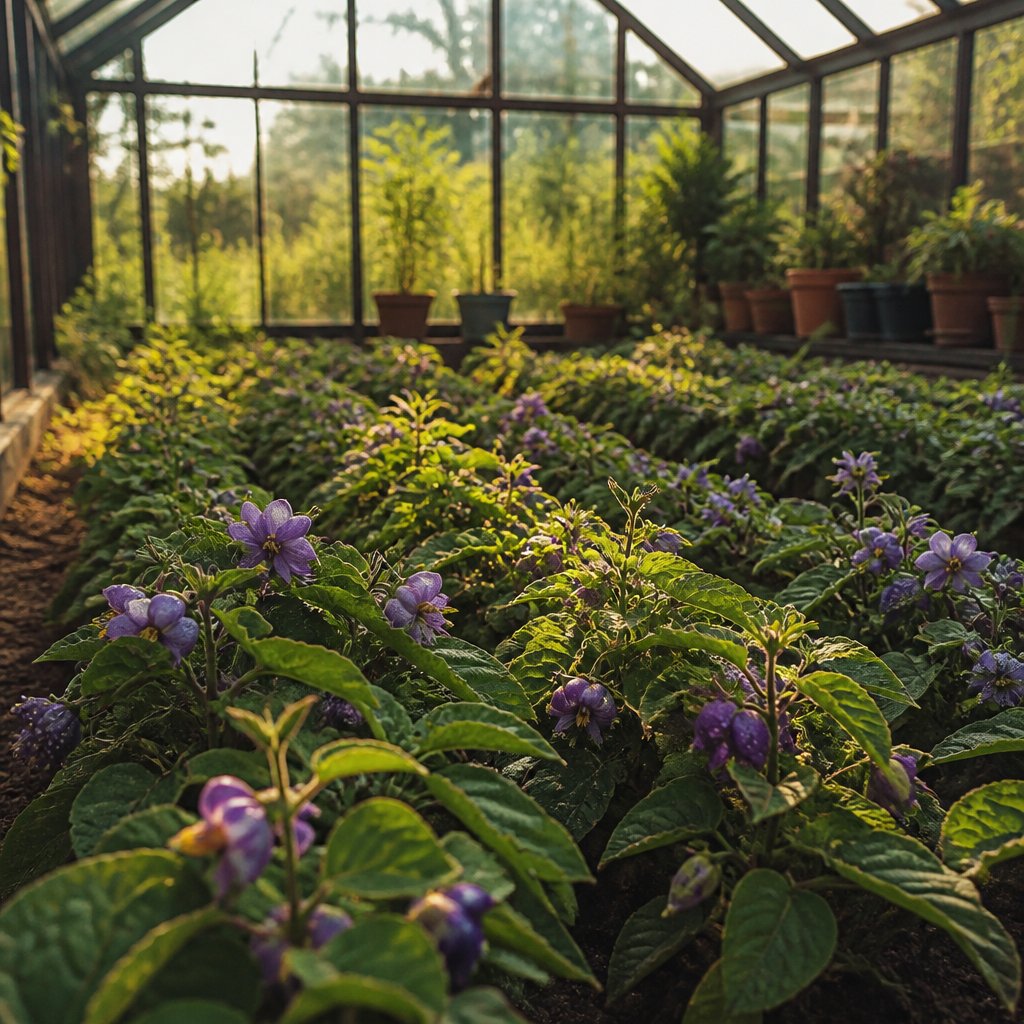
What Makes the Stardew Valley Greenhouse So Powerful?
The greenhouse ignores seasons entirely, meaning crops never die at the end of a month. Plant Ancient Fruit in Winter Year 2 and it keeps producing every 7 days until you quit the game.
The greenhouse has 116 plantable soil tiles arranged in a roughly rectangular layout. The stone border around the interior cannot be planted on, but you can place sprinklers, tappers on the two central trees, and bee houses outside the greenhouse for additional income. After 400 hours in Stardew Valley across multiple save files, the FarmVilleFreak team has tested nearly every crop combination — and the math always leads back to the same answer: Ancient Fruit wine at scale.
You Might Also Love These Ideas


Check our full Stardew Valley crop profitability rankings if you want the outside-greenhouse comparison, but inside these walls the rules change completely.
The greenhouse holds exactly 116 plantable soil tiles. You can also place 18 iridium sprinklers in optimal positions to automate watering completely.
What Is the Most Profitable Crop to Grow in the Greenhouse?
Ancient Fruit converted into wine is the most profitable greenhouse crop in Stardew Valley, generating 4,620g per bottle at base quality with the Artisan profession. Grow 116 Ancient Fruit plants, feed every harvest into Kegs, and you’re looking at a passive income machine that runs forever.
Here’s the breakdown that matters:
- Ancient Fruit (raw): 550g base, 2,310g iridium quality
- Ancient Fruit Wine: 1,650g base, 4,620g with Artisan profession
- Starfruit Wine: 2,250g base, 6,300g with Artisan profession
- Pale Ale (from Hops): 420g base — don’t bother at scale
Ancient Fruit wins over Starfruit for one critical reason: it regrows every 7 days with zero seed cost after the first planting. Starfruit seeds cost 400g each from Sandy at the Oasis and must be replanted every season. Over a full year, Ancient Fruit’s zero recurring cost crushes Starfruit’s higher per-bottle value.
Should You Choose Ancient Fruit or Starfruit for the Greenhouse?
Choose Ancient Fruit if you want true passive income. Choose Starfruit only if you have a massive Keg operation and enjoy active management every season.
We’ve tested this across three separate saves. The player running 116 Ancient Fruit plants with 67 Kegs (the rough output ratio) earned approximately 309,540g per harvest cycle with the Artisan profession — and did virtually nothing after the initial setup. The Starfruit player earned more per cycle but spent 46,400g on seeds each Summer and had dead tiles all Winter.
Unless you’re speedrunning a specific money goal in Summer Year 2, Ancient Fruit is the correct answer for the greenhouse long-term.
Ancient Seeds come from donating an Ancient Seed artifact to Gunther at the Museum, from the Seed Maker using Ancient Fruit, or rarely from Artifact Spots and fishing treasure chests.
What Is the Best Greenhouse Layout for Maximum Efficiency?
The optimal greenhouse layout uses iridium sprinklers in a pattern that covers all 116 tiles with no wasted water. Place 18 iridium sprinklers in a 3-row grid pattern, leaving enough room to walk through the central aisle.
Here’s the exact setup the FarmVilleFreak community has refined over years of discussion:
- Place iridium sprinklers at positions that create overlapping 5×5 coverage zones across all 116 tiles.
- Use the two tree stumps on the left and right walls for Tappers — they produce Maple Syrup (200g) or Oak Resin (150g) passively.
- Leave the central walking path clear for easy harvesting access.
- Do not plant in the four corner tiles — they’re often clipped by the greenhouse border and cause pathing issues.
For the complete farm layout strategy including sprinkler placement outside the greenhouse, our Stardew Valley beginner’s guide covers the full farm grid in detail.
Are Fruit Trees Worth Planting Inside the Greenhouse?
This is where I’m going to push back hard on popular advice: fruit trees in the greenhouse are almost always a waste of space. Here’s why most players get this wrong.
Fruit trees produce one fruit per day once mature, which sounds great. But each tree occupies the tile it’s planted on plus all 8 surrounding tiles must remain clear — meaning one tree sterilizes 9 total tiles. Nine Ancient Fruit plants produce 9 fruits every 7 days. One fruit tree produces 7 fruits in that same window at roughly 1,000g each for a Gold Star Starfruit tree — that’s 7,000g versus 9 Ancient Fruit at 2,310g iridium quality each, which equals 20,790g.
Ancient Fruit plants win by nearly 3x. The only legitimate reason to plant fruit trees in the greenhouse is aesthetic or to grow trees you want year-round without seasonal restrictions — like Banana Trees for Gorilla statues or Mango Trees for Qi’s cooking challenges. For profit? Skip the trees entirely.
This contradicts what you’ll see on a lot of forums, but the math doesn’t lie. We’ve run this comparison multiple times across different save files and the result is always the same.
Yes, fruit trees grow inside the greenhouse and produce year-round. However, their 9-tile footprint makes them significantly less profitable than filling those tiles with Ancient Fruit plants.
How Do You Unlock the Greenhouse in Stardew Valley?
Complete the Pantry bundle at the Community Center to unlock the greenhouse. The Pantry requires six separate bundles: Spring Crops, Summer Crops, Fall Crops, Quality Crops, Animal Products, and Artisan Products.
Alternatively, if you chose the JojaMart route, you can purchase the greenhouse for 35,000g through the Joja Community Development Form. Most players complete the Community Center route since it’s free and unlocks other rewards simultaneously.
Realistically, most players unlock the greenhouse in late Year 1 or early Year 2. If you’re still working toward it, focus on the Quality Crops bundle — it requires 5 gold-quality Parsnips, Melons, Pumpkins, and Corn, which is the most time-consuming part for new players.
See the complete Stardew Valley beginner’s guide for Community Center bundle strategies by season.
What Should You Plant in the Greenhouse While Waiting for Ancient Fruit?
Plant Strawberries or Blueberries as a bridge crop while you build your Ancient Fruit seed supply. Both are multi-harvest crops that keep producing without replanting.
Getting 116 Ancient Fruit seeds takes time unless you donate an Ancient Seed artifact early and run a Seed Maker on every fruit. A realistic early-greenhouse strategy looks like this:
- Plant your first Ancient Fruit seed the moment you get one. Let it grow and harvest.
- Feed every Ancient Fruit into a Seed Maker until you have 116 seeds. Each fruit gives approximately 1-3 seeds.
- Fill remaining tiles with Strawberries (bought from Pierre’s Spring Egg Festival at 100g each) or Blueberries.
- As Ancient Fruit seeds accumulate, swap out the bridge crops tile by tile.
Blueberries are the better bridge crop if you already have seeds. They sell for 80g each base and produce 3 berries per harvest every 4 days — reliable income while you wait.
Ancient Fruit takes 28 days to grow from seed on first planting, then regrows every 7 days forever. In the greenhouse, this cycle continues year-round with no seasonal interruption.
How Do You Maximize Greenhouse Profits with Kegs and Processing?
Processing Ancient Fruit into wine via Kegs multiplies the raw value by 3x — from 550g raw to 1,650g wine base, or 4,620g with the Artisan profession from the Farming skill tree.
You need the Artisan profession at Farming level 10. If you’re currently on the Tiller path, Artisan is the correct choice for a greenhouse-focused farm — it applies to wine, juice, cheese, pickles, and every other artisan good.
Keg production math: Ancient Fruit wine takes 7 in-game days to ferment in a Keg. Your greenhouse produces one harvest every 7 days. This means you need one Keg per plant for a perfectly synced operation — 116 Kegs for 116 plants. Build Kegs using 30 Wood, 1 Copper Bar, 1 Iron Bar, and 1 Oak Resin each. Build them in your barn or a dedicated processing shed.
If 116 Kegs feels overwhelming to start, aim for 50 Kegs minimum and stockpile Ancient Fruit in a chest. Process in batches every 7 days. The income still scales dramatically compared to selling raw fruit.
For a broader look at making money in Stardew beyond the greenhouse, our Stardew Valley best crops ranked by profit breaks down every season’s top earners.
You can also reference the official Stardew Valley Wiki greenhouse page for tile-by-tile layout maps and bundle completion checklists.
What Should You Absolutely Avoid Growing in the Greenhouse?
Avoid single-harvest crops, low-value crops, and anything that requires seasonal replanting when grown at scale. Specific crops to skip:
- Wheat: 25g per harvest. An embarrassing use of greenhouse space.
- Potatoes: Single harvest, 80g base. Plant outside in Spring.
- Coffee Beans: Tempting because of the speed bonus, but 15g per bean makes them profit-negative at greenhouse scale.
- Cauliflower: 175g, single harvest, no regrow. Belongs in Spring Year 1, not the greenhouse.
- Pumpkins: 320g and single harvest. Great outside, wasteful inside.
The greenhouse is your permanent passive income engine. Every tile occupied by a single-harvest crop is a tile that resets your income every season instead of compounding it.
If relaxing farm management sounds like your style rather than hardcore optimization, check out our roundup of cozy farming games for stress relief — Stardew’s greenhouse is honestly one of the most satisfying set-and-forget mechanics in the genre.
For more on ConcernedApe’s official updates and what’s coming to Stardew Valley next, the official Stardew Valley website is the only source worth trusting.
Frequently Asked Questions
When should I unlock the greenhouse in Stardew Valley?
Aim to complete the Pantry bundles by the end of Year 1, which unlocks the greenhouse at the start of Year 2. The Quality Crops bundle is the hardest part — start growing gold-quality crops using Basic Fertilizer from Pierre’s shop from Spring Year 1 onward. Getting the greenhouse early means more time for Ancient Fruit to compound before you hit endgame money goals.
How do I get Ancient Seeds fast in Stardew Valley?
Donate the Ancient Seed artifact to Gunther at the Museum — he gives you a plantable seed in return and unlocks the Ancient Seeds crafting recipe. From your first harvest, use a Seed Maker on every Ancient Fruit. Each fruit yields 1-3 seeds, so 116 seeds typically takes 4-8 weeks of Seed Maker processing depending on your luck stat and Botanist profession.
Can you grow any crop year-round in the Stardew Valley greenhouse?
Yes — every crop grows year-round inside the greenhouse regardless of the current season. This includes Summer-exclusive crops like Starfruit, Spring crops like Strawberries, and Fall crops like Cranberries. Seasonal die-off does not apply inside the greenhouse walls, which is what makes it the most valuable structure on your farm.
Is the Artisan profession required for greenhouse profits?
Not required, but strongly recommended. The Artisan profession at Farming level 10 increases the sell price of all artisan goods — including wine, juice, and pickles — by 40%. Ancient Fruit Wine goes from 1,650g to 4,620g with Artisan. Without it you still profit, but you leave significant money on the table every single week. Take Artisan if your greenhouse is your primary income source.
How many Kegs do I need for 116 Ancient Fruit plants?
You need 116 Kegs for a perfectly synced operation where every fruit gets processed immediately on harvest day. In practice, most players build 50-80 Kegs first and stockpile excess fruit in chests. Build Kegs using 30 Wood, 1 Copper Bar, 1 Iron Bar, and 1 Oak Resin each. A large shed holds 33 Kegs, so plan on 3-4 processing sheds for a full operation.
Do sprinklers work inside the Stardew Valley greenhouse?
Yes, all sprinkler types work inside the greenhouse. Iridium Sprinklers are the best choice — each one waters a 5×5 area. Place 18 iridium sprinklers in an optimized grid pattern to cover all 116 soil tiles automatically. This eliminates daily watering entirely and lets you skip days without losing growth progress. Craft them using Gold Bar x1, Iridium Bar x1, and Battery Pack x1.
What is the greenhouse worth in terms of annual income?
A fully optimized greenhouse with 116 Ancient Fruit plants, 116 Kegs, and the Artisan profession generates approximately 4,620g per fruit per 7-day cycle. With 116 plants producing simultaneously, that’s roughly 535,920g per harvest cycle. Over a 28-day in-game month with four harvests, that approaches 2.1 million gold per month — making it the most efficient passive income source in the game.
Should I use fertilizer inside the greenhouse?
Yes — use Quality Fertilizer or Deluxe Fertilizer on every tile before planting. Higher soil quality increases the chance of gold and iridium-quality crops. Iridium-quality Ancient Fruit sells for 2,310g raw versus 550g base quality — a 4x difference before Keg processing. The Deluxe Fertilizer, crafted after reaching Farming level 9, gives the best quality boost and is worth the material cost at greenhouse scale.
Can I grow Starfruit in the greenhouse year-round?
Yes. Starfruit grows in the greenhouse during any season, including Winter. However, Starfruit is a single-harvest crop — it does not regrow after harvesting. You must buy new seeds from Sandy at the Desert Oasis for 400g each every planting cycle. For 116 tiles, that’s 46,400g in seed costs per cycle before any profit. This is why Ancient Fruit outperforms Starfruit for long-term greenhouse income.
What happens to greenhouse crops when you get married in Stardew Valley?
Nothing negative — your greenhouse crops continue growing normally after marriage. Your spouse may occasionally water crops on the farm outside, but greenhouse plants on iridium sprinklers don’t need spouse help anyway. Some spouses like Emily and Leah have farm-related dialogue that references your crops. Marriage doesn’t affect the greenhouse mechanics in any way. Focus on filling those 116 tiles before worrying about the social side of the game.