Stardew Valley Money Guide: Get Rich Every Season

You just bought your first Strawberry seeds at the Egg Festival and now you have 12g left to your name. Pierre closes in two days and you still need a backpack upgrade. That feeling is why this guide exists.
- Strawberries (Spring) and Starfruit (Summer) are your two best early-money crops.
- Kegs and Preserves Jars multiply crop value by 2x-3x — build them fast.
- Ancient Fruit wine sells for 2,310g per bottle (Artisan profession).
- Fishing in the mountain lake on rainy days is the best Year 1 cash source.
- The Skull Cavern on floors 100+ drops Iridium and Prismatic Shards worth thousands.

What Are the Fastest Ways to Make Money in Year 1?
Fishing and Spring crops are your two fastest money-makers in Year 1 — nothing else comes close before you unlock artisan processing. On Day 1, head to the mountain lake and fish until your energy runs out. A Catfish on a rainy Spring day sells for 200g base. A Largemouth Bass sells for 100g. Stack those catches and you can afford seeds, a Coop, or a Barn before Summer even starts.
For crops, buy as many Parsnip seeds as you can afford on Day 1 — they harvest in 4 days. Sell them, then roll that gold into Cauliflower (12-day harvest, 175g base). The real move, though, is surviving until the Egg Festival on Spring 13 and spending every coin on Strawberry seeds. Plant them immediately. You get two harvests before Summer, and each Strawberry sells for 120g base — or 168g with the Tiller profession.
You Might Also Love These Ideas


Pick Tiller every time. It adds 10% to all crop sell prices and sets you up for the Artisan profession at level 10, which is the single most powerful money multiplier in the game.
After 400 hours in Stardew Valley across multiple saves, the players who struggle financially in Year 2 are almost always the ones who skipped Tiller at level 5. Don’t do it.
Check out our complete Stardew Valley beginner’s guide if you’re still figuring out the basics — this money guide assumes you know how seasons and energy work.
Which Crops Make the Most Gold in Each Season?
Here’s the exact ranking by season, based on gold-per-day with the Tiller profession active.
Spring: Strawberry wins with roughly 45g per day. Rhubarb (a one-time harvest at 220g) is decent early but Strawberry’s regrow mechanic makes it the clear champion. Plant 48 Strawberries in a 6×8 grid and water them every day — that’s a 5,760g harvest minimum before any quality bonuses.
Summer: Starfruit at 750g per fruit is the headline number, but it costs 400g per seed from Sandy’s shop in the Calico Desert. You need the Bus repaired first. If you can’t reach the desert yet, plant Blueberries — they cost 80g at Pierre’s, regrow every 4 days, and produce 3 berries per harvest. A full field of Blueberries is reliable, unglamorous money.
Fall: Cranberries dominate. They cost 240g, regrow every 5 days, drop 2 cranberries per harvest, and sell for 130g each base. Grapes are worth growing only if you’re turning them into wine. Pumpkins hit 320g apiece and are the best single-harvest Fall crop for Giant Crop potential.
Winter: No outdoor crops grow. This is your processing season — fill every Keg and Preserves Jar you own and let artisan goods do the work while you mine.
Ancient Fruit wins overall. It grows in Spring, Summer, and Fall (or year-round in a Greenhouse), regrows weekly, and produces fruit worth 550g each — or 2,310g as wine with the Artisan profession.
For a deeper breakdown, our ranked list of Stardew Valley’s best crops by season covers every crop with exact profit-per-day math.
How Do Kegs and Preserves Jars Change Your Income?
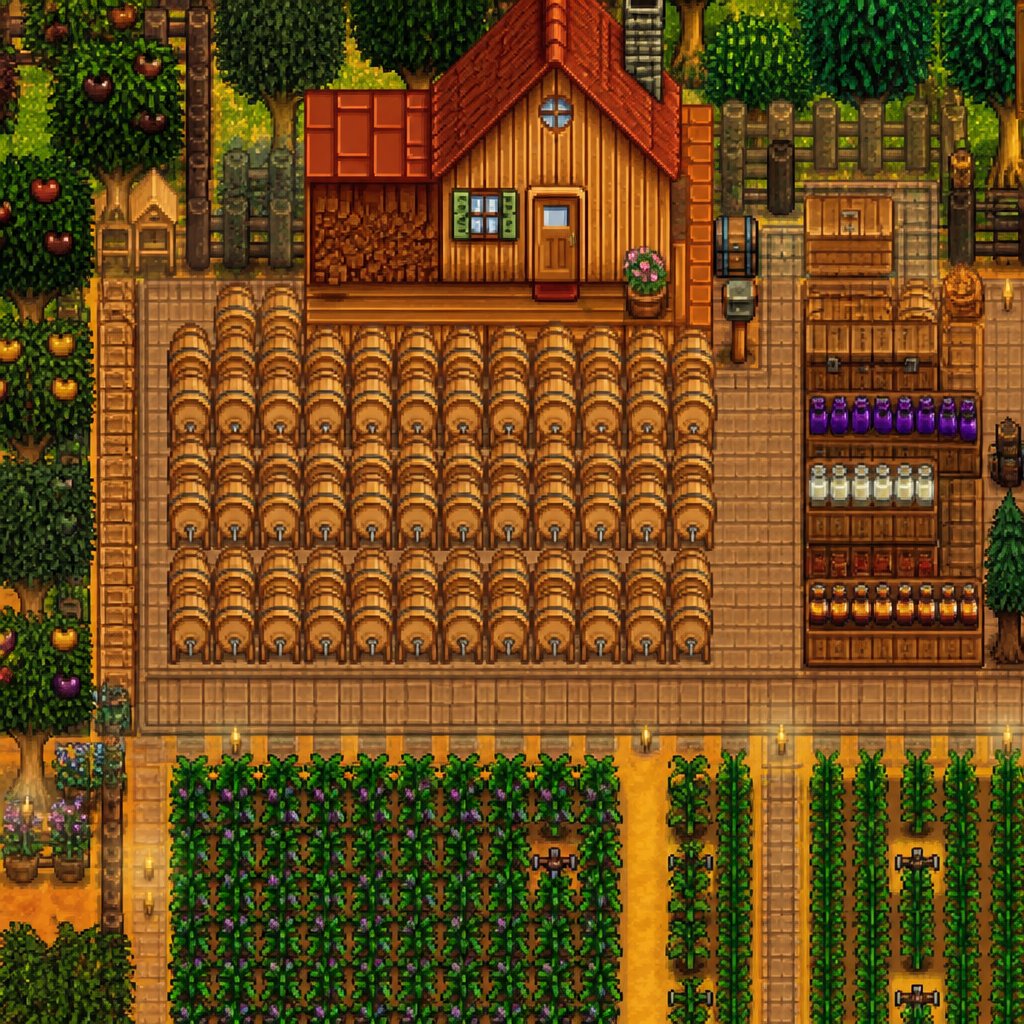
Kegs and Preserves Jars are the biggest income multipliers in the game — full stop. A Preserves Jar turns any fruit into Jelly worth (2 x base fruit price) + 50g. A Keg turns fruit into Wine worth 3x the base fruit price. The Artisan profession adds another 40% on top of that.
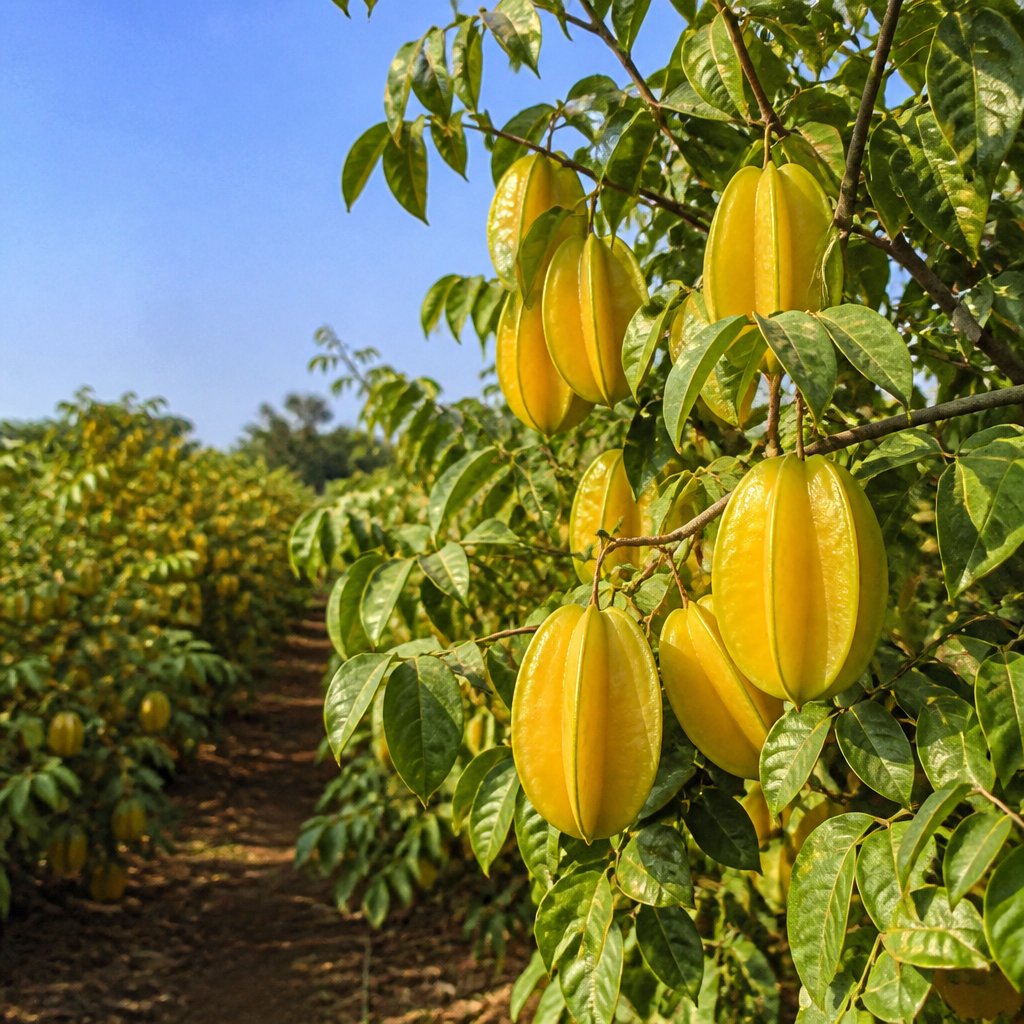
Do the math on Starfruit: base price 750g. As wine in a Keg: 2,250g. With Artisan profession: 3,150g per bottle. One Keg, one Starfruit, seven in-game days. That’s not farming — that’s printing money.
Preserves Jars process faster (roughly 4,000 minutes vs. 10,000 for Kegs) so they’re better for cheap, high-volume crops like Blueberries. Use Kegs for your most expensive fruit. Build as many of each as your barn space allows. By mid-Year 2, serious players run 60-100 Kegs simultaneously.
You need Oak Resin, Copper Bars, and Stone to craft Kegs. Farm Oak Trees aggressively in Fall and Winter for the resin. Tap every Oak Tree you find and let the Tappers run passively.
Is Fishing Actually Worth Your Time for Money?
Yes — fishing is the most underrated money source in Year 1, and most players stop doing it too early. A Catfish (rainy Spring or Fall day, river or mountain lake, 200g base) or Pufferfish (Summer, ocean, 150g base) caught with an Iridium Rod and Trap Bobber sells for serious coin. Legendary fish like the Legend itself sells for 5,000g base.
The FarmVilleFreak community has debated fishing vs. farming for years. The honest answer: fish hard in Year 1 before your artisan operation is running, then shift focus to processing in Year 2. Fishing skill also unlocks Crab Pots, which produce passive income overnight with almost zero energy cost.
Our Stardew Valley fishing guide covers every legendary fish location and the exact tackle setup that makes fishing feel less like a chore.
The Legend sells for 5,000g base (up to 15,000g at Iridium quality with Angler profession). It spawns in the mountain lake in Spring during rain, level 10 Fishing required.
Does the Skull Cavern Actually Pay Off?
The Skull Cavern pays off massively once you can survive it. Floors 100+ drop Iridium Ore, and a stack of 150 Iridium Ore makes an Iridium Sprinkler that frees up hours of daily watering — which is itself a money multiplier because you can use that time for other tasks. Prismatic Shards sell for 2,000g each and show up reliably past floor 100.
Bring 200 Staircases crafted from Stone, 20 Spicy Eels (speed boost), 15 Coffees, and as much food as your chest can hold. Rush floors by dropping a Staircase the moment you land. Your goal is depth, not monster kills. We’ve tested this across three separate saves — a deep Skull Cavern run consistently returns 30,000-80,000g worth of Iridium, gems, and combat drops per trip.
What’s the Fastest Way to Make Money Without Farming? (Contrarian Take)
Conventional Stardew advice says to farm crops and process them into artisan goods. That’s correct long-term. But in the first 30 in-game days, foraging beats farming on a pure effort-to-gold ratio — and almost nobody talks about it.
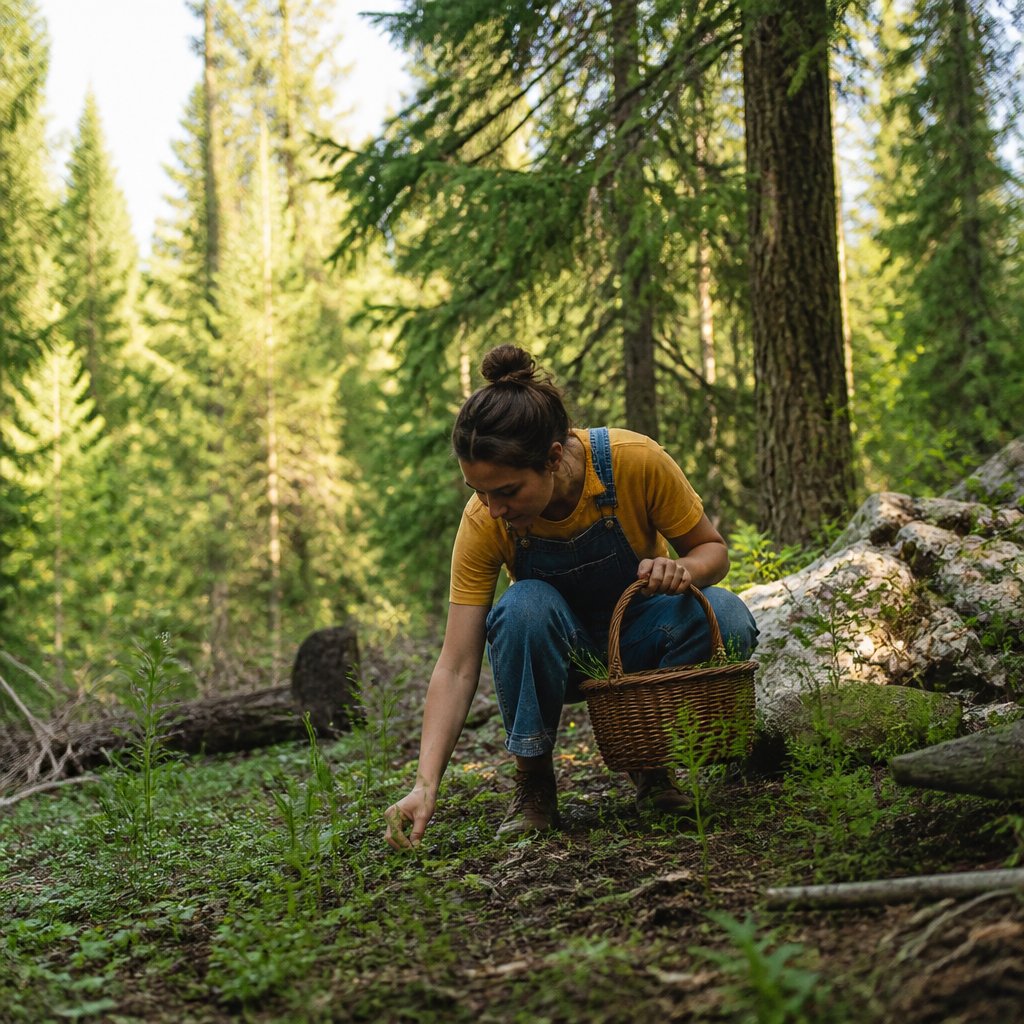
Spring forageables — Spring Onions in Cindersap Forest, Daffodils, Leeks, Dandelions — spawn every day and cost zero energy to pick up. A full Spring Onion sweep of the south section of Cindersap Forest takes about two in-game hours and yields 10-20 onions at 8g each. Not glamorous. But free gold is free gold when you’re trying to afford a second Chest.
The real contrarian insight: Salmonberries during Spring 15-18 look worthless at 5g each — and they are if you sell them. But stockpiling 100+ Salmonberries to eat during Summer fishing marathons eliminates food costs entirely. That’s 400-600g saved, which at Day 20 is a meaningful float.
Take the Gatherer profession at Foraging level 5. It gives a chance to double forageable yields. At level 10, take Botanist — every foraged item becomes Iridium quality, which means every piece of fruit from Summer (Fiddlehead Fern excluded) sells at the highest price tier automatically.
How Do You Max Out Income Through Villager Relationships?
Befriending the right villagers unlocks recipes that convert cheap ingredients into high-value goods. Reaching 3 hearts with Harvey gets you a recipe. Reaching 7 hearts with Willy opens special fishing opportunities. But the real financial unlock is maxing friendship with Gunther at the Museum — completing the full collection rewards a greenhouse unlocking Ancient Seeds, which is the end-game money machine.
Ancient Fruit takes 28 days to first grow from an Ancient Seed, then produces weekly forever. In the Greenhouse (which runs year-round), 116 Ancient Fruit plants running simultaneously means 116 fruits per week at 550g each = 63,800g weekly, before any Keg processing. With Kegs and Artisan: over 267,000g per week. That’s the ceiling of Stardew Valley’s economy.
For relationship-building strategies, our complete villager gift guide shows the fastest path to max hearts with every character in town.
What Should You Do Differently in Year 2 vs. Year 1?
Year 2 is when your money strategy should shift completely from selling raw crops to processing everything. By Spring Year 2, you should have at minimum 12 Kegs, a Greenhouse running Ancient Fruit, and the Artisan profession locked in. Stop selling raw Starfruit. Stop selling raw Blueberries. Everything goes into a Keg or Preserves Jar.
Also invest in Animals. A Barn full of Pigs at full happiness produces Truffles daily. Each Truffle sells for 625g base. With Artisan profession, Truffle Oil sells for 1,491g per bottle. Six Pigs producing one Truffle each per day = 8,946g daily from animals alone, with minimal player effort beyond feeding.
If you enjoy the cozy life-sim loop and want to see how other games compare, check our best games like Stardew Valley list — but honestly, nothing else has this depth of economy.
The official Stardew Valley developer site also tracks all major updates from ConcernedApe, so bookmark it for patch changes that affect crop pricing.
Frequently Asked Questions
What is the fastest way to make money in Stardew Valley early game?
Fishing on rainy days at the mountain lake is your fastest early cash. Combine that with planting Parsnips immediately on Day 1, rolling profits into Cauliflower, then buying every Strawberry seed you can at the Egg Festival on Spring 13. That three-step sequence generates more gold in the first 28 days than any other approach. Avoid wasting energy on mining until you have a full season of crops planted.
Is Ancient Fruit the best crop in Stardew Valley?
Yes, Ancient Fruit is the best crop for sustained long-term income. It grows in Spring, Summer, and Fall, regrows every 7 days, and produces fruit worth 550g each. In the Greenhouse it runs year-round. Turned into wine with the Artisan profession, each bottle sells for 2,310g — and 116 plants in a full Greenhouse produces over 267,000g worth of wine per week at peak operation.
Should I choose Tiller or Miner at Farming level 5?
Always choose Tiller. It adds 10% to all crop sell prices immediately, and at level 10 it unlocks the Artisan profession, which adds 40% to all artisan goods including wine, jelly, cheese, and oil. Artisan is the single most powerful money profession in the game. Miner is useful for ore, but ore income doesn’t come close to a fully operational artisan farm running 60+ Kegs.
How much gold can you make per day in Stardew Valley?
In Year 1, a well-managed farm earns 2,000-5,000g per day. By Year 2 with artisan processing running, 20,000-50,000g per day is achievable. End-game players with a full Greenhouse of Ancient Fruit, 100+ Kegs, and a Pig Barn can theoretically generate over 100,000g per in-game day once all the wine matures and Truffles are collected consistently.
Are Kegs or Preserves Jars better for making money?
Kegs are better for expensive fruit — Starfruit, Ancient Fruit, Melon — because wine is worth 3x base price. Preserves Jars are better for cheap, high-volume crops like Blueberries and Cranberries because they process faster (roughly 4,000 minutes vs. 10,000 for Kegs) and the math works out better per unit of time. Run both in parallel for maximum income across your full crop roster.
What is the most valuable item you can sell in Stardew Valley?
A Prismatic Shard sells for 2,000g but you can only find one at a time. For repeatable high-value items, Iridium-quality Ancient Fruit Wine with the Artisan profession sells for approximately 4,620g per bottle. For single items, a Legendary Fish like the Legend sells for up to 15,000g at Iridium quality with the Angler profession active. Wine production wins on volume over time.
How do Pigs make money in Stardew Valley?
Pigs produce Truffles daily when outside and at full happiness. Each Truffle sells for 625g raw, or you can process it in an Oil Maker to produce Truffle Oil, which sells for 1,491g with the Artisan profession. A full Deluxe Barn holds 12 Pigs. At 12 Truffles per day converted to oil, that’s 17,892g daily from one building — making Pigs arguably the best passive income source in the game.
When should I start focusing on the Skull Cavern?
Aim for Skull Cavern runs starting in Summer or Fall of Year 1, once you have a Gold or Iridium Pickaxe and a strong combat weapon. The Desert unlocks after repairing the Bus, which costs 500,000g from the Community Center Vault bundles or Joja membership. Focus on reaching floors 100+ where Iridium Ore spawns in large clusters. Craft Staircases from Stone to skip floors and maximize depth per trip.
Does the Greenhouse make a big difference for income?
The Greenhouse is a massive income difference — it lets crops grow year-round, eliminating the three-season limit on your best crops. Fill it entirely with Ancient Fruit (116 plants fit in the standard layout) and tap every spare spot with Fruit Trees for passive daily income. Unlocking the Greenhouse requires completing the Pantry bundles at the Community Center, which is a mid-Year 1 to early-Year 2 goal for most players.
What forageables should I prioritize for money?
Spring: Morel Mushrooms and Spring Onions. Summer: Fiddlehead Ferns (90g each, found in the Secret Woods) and Red Mushrooms. Fall: Chanterelle (160g) and Magma Cap from the Volcano Dungeon. With the Botanist profession at Foraging level 10, every foraged item automatically becomes Iridium quality, maximizing sell price on every single pickup. Prioritize the Secret Woods in Summer — Fiddlehead Ferns spawn daily and sell well.