
Is Disney Dreamlight Valley Worth Playing in 2026?

You’ve seen the trailers. Mickey Mouse tending a garden. Moana fishing at sunrise. It looks magical — but you’ve also heard the monetization horror stories and aren’t sure if the game ever actually got fixed. After logging well over 300 hours across multiple saves, I have a real answer for you.
- Disney Dreamlight Valley is worth playing for Disney fans who enjoy cozy life-sims.
- The base game has 20+ Disney and Pixar characters to recruit and befriend.
- The Star Path (seasonal pass) is optional but aggressively monetized.
- A one-time purchase gets you the full story content without a subscription.
- Performance issues on Switch are real — PC or PS5 is the better experience.
What Exactly Is Disney Dreamlight Valley?
Disney Dreamlight Valley is a life-sim adventure game from Gameloft that blends the cozy farming loop of Stardew Valley with Disney IP and a story-driven quest structure. You restore a magical valley, recruit Disney and Pixar characters, farm crops, cook hundreds of recipes, fish, mine, and decorate your home and the surrounding biomes.
The game launched in Early Access in 2022, went through a complicated free-to-play announcement, reversed course, and landed as a premium paid title. That history matters because a lot of the online negativity dates back to those transitions. The game in 2026 is meaningfully different from the mess people argued about in 2023.
You Might Also Love These Ideas


No. Gameloft reversed the free-to-play plan. You buy the base game once and own the story content. The optional Star Path seasonal passes cost extra but are never required to finish the main quests.
Who Is This Game Actually Built For?
Disney Dreamlight Valley is built for Disney fans first, cozy gamers second. If you have zero emotional connection to characters like Wall-E, Mirabel, or Stitch, the game’s biggest draw evaporates immediately. The quest writing is Disney-branded to its core — gentle, wholesome, and heavily tied to each character’s movie backstory.
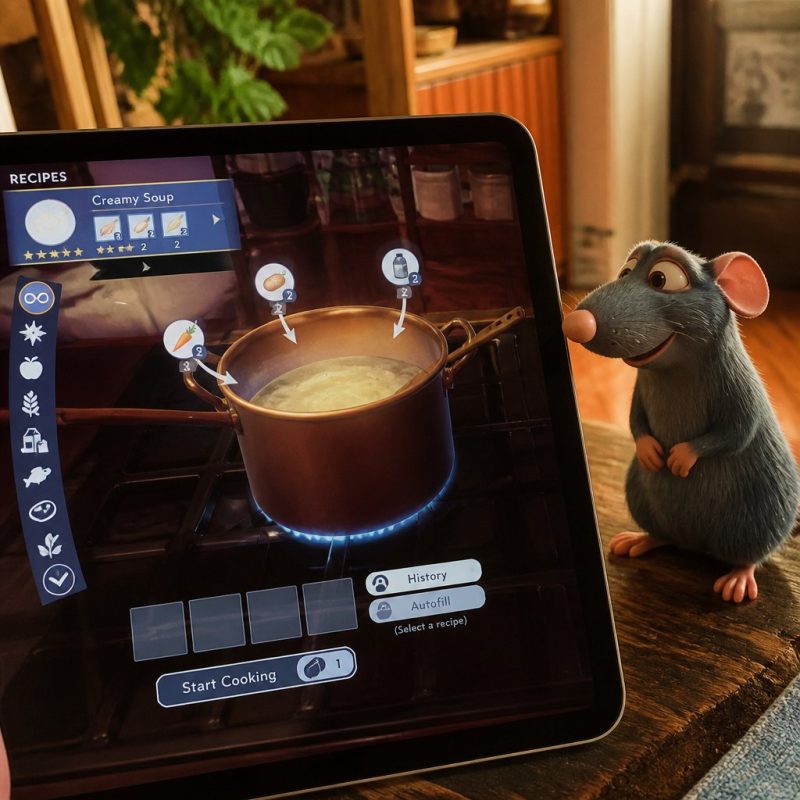
That said, the farming and cooking systems are genuinely deep. There are over 200 recipes to unlock, and the cooking mechanic requires you to actually combine ingredients with logic — not just spam a button. Players who loved getting started in Stardew Valley will recognize the addictive loop of growing crops, fulfilling orders, and building friendships.
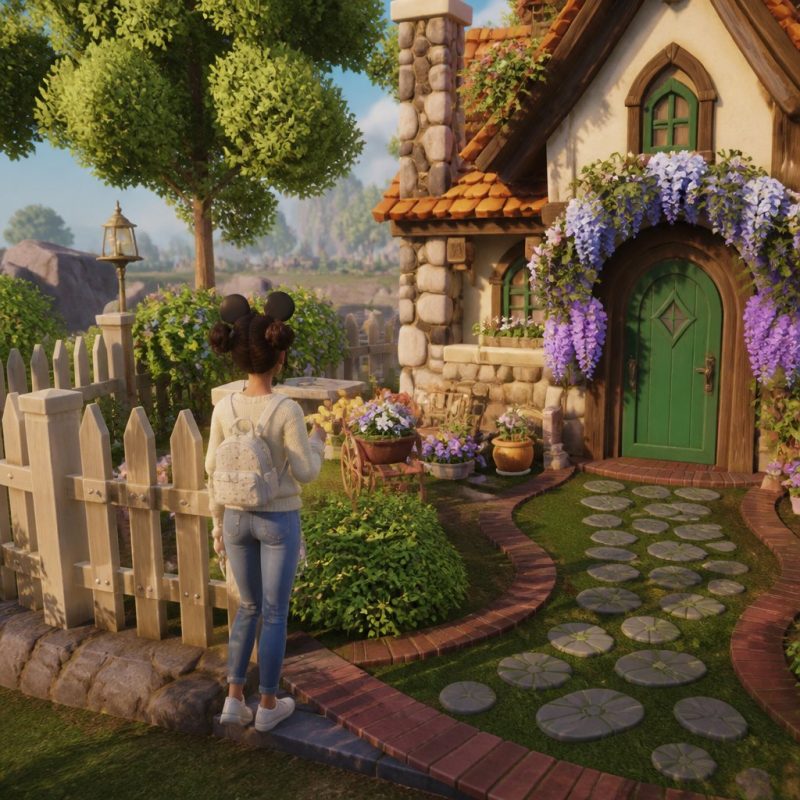
The decoration system is where Dreamlight Valley genuinely outshines most cozy games. You can place furniture, path tiles, fences, and props anywhere across seven biomes. The creative ceiling is extremely high, and the FarmVilleFreak community has shared some jaw-dropping valley layouts over the years.
What Does the Base Game Actually Include?
The base game includes all core story biomes, the main Forgotten questline, and a roster of Disney and Pixar characters. As of 2026, that roster includes characters from Frozen, The Lion King, Toy Story, Moana, Ratatouille, Wall-E, Encanto, and many more — typically 20 to 25 characters depending on which edition you purchase.
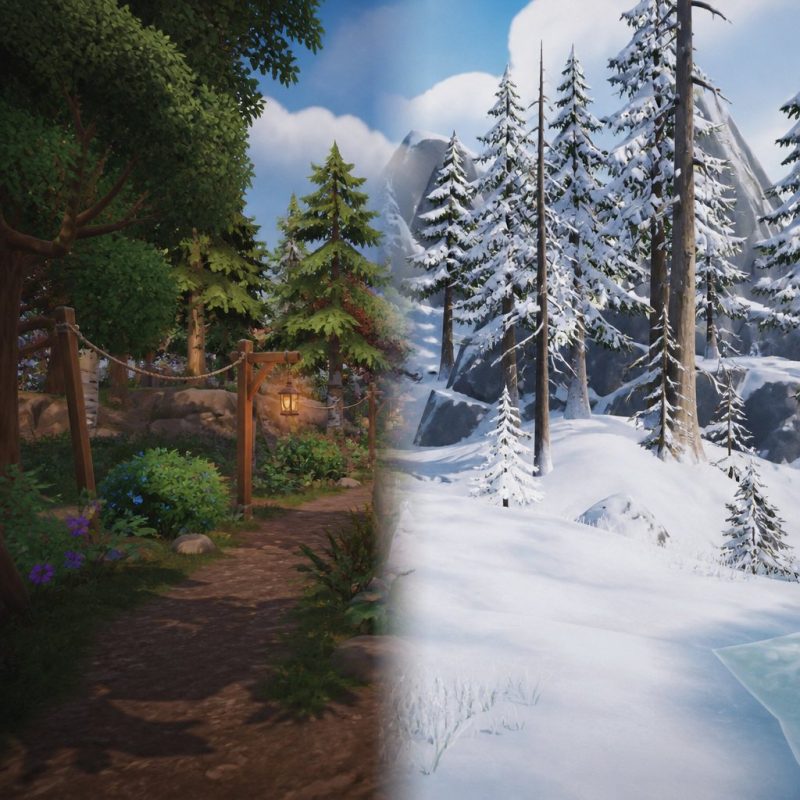
Crops you’ll grow include Wheat, Carrot, Tomato, Blueberry, Sugarcane, and Pumpkin, among others. Each biome unlocks different seeds and resources. Mining in the Sunlit Plateau gives you Hardwood and ore. Fishing in Dazzle Beach yields different catches than fishing in the Frosted Heights. The resource loop is genuinely satisfying once it clicks.
The base game includes approximately 20 to 25 recruitable Disney and Pixar characters. Additional characters have been added through paid Star Path expansions and DLC packs released since launch.
Is the Monetization Actually a Problem?
Yes and no — and this is where I’ll give you the honest take most reviews dodge. The base game monetization is fine. You pay once, you get a complete experience. The problem is the Star Path.
The Star Path is Dreamlight Valley’s seasonal battle pass. It runs on a timer, requires you to complete daily and weekly tasks to earn Moonstone currency, and offers cosmetic rewards — furniture sets, clothing, and occasionally exclusive character outfits. Missing a Star Path means missing those items permanently.
Moonstones, the premium currency, can be earned slowly in-game or purchased with real money. A full Star Path typically costs around 5,000 Moonstones to unlock the premium track. Gameloft drip-feeds free Moonstones through quests — not enough to keep pace with every pass without spending money.
Here’s my actual position: if you ignore the Star Path entirely, the game is a great value. If you engage with it and feel FOMO about the exclusive items, you will spend money. That’s the design intent, and Gameloft is not subtle about it. Treat it like a mobile game cosmetics shop attached to a premium title, because that’s exactly what it is.
For more context on how this compares to other monetized cozy games, check out our breakdown of FarmVille alternatives with fair monetization.
Does the Contrarian Take Hold Up — Is Dreamlight Valley Actually Better Than Stardew?
For a specific type of player, yes — and I’ll defend that strongly. Stardew Valley is the gold standard of the genre, but it asks you to figure almost everything out yourself. Dreamlight Valley holds your hand through structured quests, has voice-acted Disney characters, and offers a visual polish that Stardew’s pixel art simply doesn’t match.
Players who bounced off Stardew because the open-ended freedom felt directionless will likely click better with Dreamlight Valley’s quest-driven structure. Every character has a multi-part friendship quest line. Completing Wall-E’s quests to restore his garden, or helping Remy unlock new recipes for his restaurant, gives the progression a narrative backbone that cozy veterans sometimes overlook when comparing the two games.
The cooking system in Dreamlight Valley is also objectively more complex than Stardew’s. Cooking 5-star meals requires you to balance ingredient categories — vegetables, proteins, dairy, spices, and grains — and the recipe discovery process is genuinely engaging. After 300+ hours, I still find new recipe combos.
That said, Stardew Valley has deeper farming mechanics, a better romance system, and no monetization. The honest comparison: Dreamlight Valley wins on IP, visual design, and quest depth. Stardew wins on farming depth, freedom, and value. They serve slightly different moods. Read our guide to games similar to Stardew Valley to see where Dreamlight Valley ranks overall.
How Does It Run in 2026 — Are the Performance Issues Fixed?
On PC and PS5, performance is solid. Load times are reasonable, frame rates are stable, and the major crash bugs from the early access era have been patched. On Nintendo Switch, performance remains the weakest of any platform — expect occasional frame drops, longer load screens, and rare crashes.
If you have a choice of platform, PC via Steam or PS5 is the right call. The game looks genuinely beautiful on a high-res display, and the Dreamlight Valley color palette — saturated, warm, Disney-park-level saturated — earns that visual investment.
Only if Switch is your only option. Frame rate drops and slower loads are consistent issues on Switch hardware. PC or PS5 delivers a noticeably better experience with the same content.
What’s the Best Way to Start If You Buy It?
Start on PC or PS5. In your first session, prioritize unlocking the Peaceful Meadow biome and recruiting Merlin — he’s your tutorial guide and his quests unlock essential crafting recipes early. Plant Wheat and Carrot seeds immediately; you’ll need them for dozens of recipes and character quests throughout the game.
Spend your early Dreamlight (the in-game progression currency) on biome unlocks rather than cosmetics. The Dazzle Beach unlock costs 1,000 Dreamlight and opens fishing, which is one of your fastest early-game coin sources. Befriending Goofy at Dazzle Beach upgrades his stall and expands your seed and item shop options significantly.
Don’t stress the Star Path on day one. Focus on the main Forgotten questline, get five or six characters recruited, and let the game’s loop reveal itself naturally. The FarmVilleFreak community consistently reports that new players who rush the Star Path burn out faster than those who ignore it initially.
Recruit Merlin first — he’s automatic. Then prioritize Goofy at Dazzle Beach and Remy from Ratatouille. Goofy expands your shop, and Remy unlocks the cooking mechanic that powers most of your mid-game progression.
Final Verdict — Should You Buy Disney Dreamlight Valley in 2026?
Buy it if you love Disney and want a cozy life-sim with strong quest structure and exceptional decoration tools. The base game is a complete, satisfying experience. Skip the Star Path if FOMO spending isn’t your thing — you won’t miss it for the core game.
Don’t buy it if you want deep farming simulation (play Stardew Valley’s optimized crop system instead), dislike Disney IP, or are gaming exclusively on Switch with high performance expectations.
The game Gameloft ships in 2026 is not the same chaotic product from 2022. It’s polished, content-rich, and genuinely fun for its target audience. The monetization model is real but avoidable. For Disney fans who also love cozy games, this is a strong yes. You can pick up the base game on Steam or check the official Disney Dreamlight Valley site for current pricing and editions. Also worth reading our take on cozy games for stress relief — Dreamlight Valley ranks high on that list too.
Frequently Asked Questions
Is Disney Dreamlight Valley free to play in 2026?
No. Gameloft reversed its original free-to-play plan in 2023. Disney Dreamlight Valley is a premium paid title — you purchase it once and own all base game story content. The optional Star Path seasonal passes are available for additional cost but are entirely cosmetic and not required to complete the main questline or befriend all base-game characters.
How long does it take to finish Disney Dreamlight Valley?
Completing the main Forgotten questline takes approximately 30 to 50 hours depending on your pace. Reaching max friendship level with all base-game characters and unlocking all biomes pushes that to 80 to 120 hours. Full completion including cooking all recipes, decorating all biomes, and finishing every character quest can easily exceed 200 hours for dedicated players.
What Disney characters are in Dreamlight Valley?
The base game includes characters from franchises including Frozen (Elsa, Anna), The Lion King (Simba, Nala, Scar), Toy Story (Woody, Buzz), Moana, Ratatouille (Remy), Wall-E, Encanto (Mirabel), and classic Disney characters like Mickey Mouse, Minnie Mouse, Goofy, Donald Duck, and Daisy Duck. Additional characters have been added through paid DLC and Star Path expansions since launch.
Is the Star Path worth buying in Disney Dreamlight Valley?
Only if you actively play during the season and genuinely want the cosmetic rewards. The Star Path costs approximately 5,000 Moonstones for the premium track and expires when the season ends. If you play casually or sporadically, the daily and weekly task requirements make it difficult to unlock all rewards without additional Moonstone purchases. Completionists will spend money. Casual players can safely ignore it.
Is Disney Dreamlight Valley better on PC or console?
PC and PS5 deliver the best experience — stable frame rates, shorter load times, and sharp visuals. Xbox Series X is also strong. Nintendo Switch is the weakest version with consistent frame drops and longer load screens. If you have access to PC or a current-gen console, choose that over Switch. The game content is identical across platforms, but performance differences are real and affect moment-to-moment enjoyment.
Can you play Disney Dreamlight Valley without spending extra money?
Yes, completely. After the one-time base game purchase, you can access all story content, recruit all base-game characters, cook all base recipes, and decorate your valley without spending a single additional dollar. The game drip-feeds free Moonstones through quests if you want to sample Star Path rewards, but nothing in the core game experience is locked behind additional payments.
How does Disney Dreamlight Valley compare to Stardew Valley?
They share the cozy life-sim DNA but serve different moods. Stardew Valley offers deeper farming mechanics, a better romance system, and a hands-off open structure. Dreamlight Valley wins on visual polish, quest-driven narrative, Disney IP, and its cooking system depth. Players who want freedom and deep farm optimization prefer Stardew. Players who want structured quests, Disney characters, and creative decoration prefer Dreamlight Valley.
Does Disney Dreamlight Valley have multiplayer?
Gameloft added a co-op multiplayer feature allowing players to visit each other’s valleys. You can explore a friend’s valley, help with tasks, and interact with their decorated spaces. The multiplayer is primarily social and cooperative rather than competitive. It works cross-platform between most versions. Check the official site for current multiplayer feature status, as Gameloft continues to update it.
What is Dreamlight in Disney Dreamlight Valley?
Dreamlight is the core progression currency earned by completing daily tasks, fulfilling villager requests, and finishing quests. You spend Dreamlight to unlock the game’s seven biomes — Peaceful Meadow, Dazzle Beach, Forest of Valor, Glade of Trust, Sunlit Plateau, Frosted Heights, and Forgotten Lands. Each biome costs between 1,000 and 15,000 Dreamlight to unlock and contains unique characters, resources, and story content.
Is Disney Dreamlight Valley good for kids?
Yes, with a caveat. The gameplay is gentle, colorful, and age-appropriate — there’s no combat, and the quests are built around helping characters and exploring. The caveat is the Star Path monetization. Children may fixate on limited-time cosmetic rewards and pressure parents to purchase Moonstones. If buying for a younger player, disable or monitor in-app purchase access before handing over the controller.