
Palia vs Stardew Valley: What’s Actually Different

You’ve finished another Stardew Valley playthrough and you’re eyeing Palia. Or maybe you booted up Palia, felt something was off, and wondered if Stardew would scratch the itch better. Either way, you want a straight answer — not a hedged “both are great in different ways” non-answer.
After hundreds of hours across both games and years of community discussion here at FarmVilleFreak, here’s the honest breakdown.
- Palia is free-to-play and always online; Stardew Valley costs ~$15 and works offline.
- Stardew has deeper farming mechanics, mine combat, and a richer story.
- Palia focuses on community, crafting, and social multiplayer up to 24 players.
- Palia uses a cosmetic cash shop; Stardew Valley has zero microtransactions.
- Play Palia for the social cozy vibe; play Stardew for farming depth and replayability.
What Is Palia and How Does It Compare to Stardew Valley at a Glance?
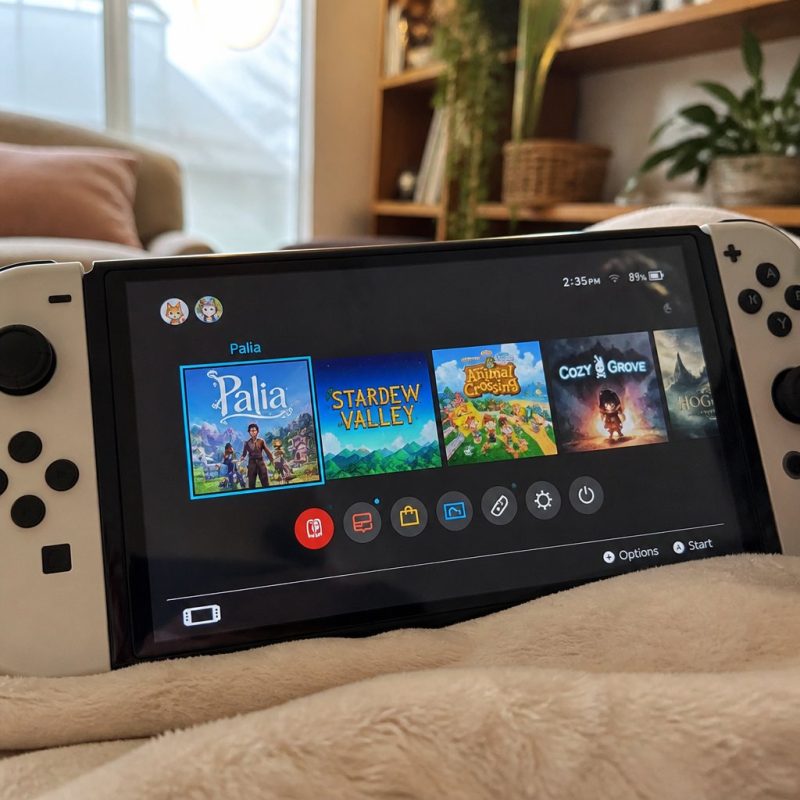
Palia is a free-to-play online life-sim from Singularity 6, currently available on PC and Nintendo Switch. Stardew Valley is a paid single-developer indie game from ConcernedApe, available on nearly every platform. They share cozy aesthetics and farming loops, but they are structurally very different games targeting slightly different players.
You Might Also Love These Ideas


Stardew launched in 2016 and has sold over 30 million copies. Palia launched into early access in 2023 and remains a live-service game with regular content updates. The FarmVilleFreak community has debated these two for years — and the verdict is nuanced but clear once you know what to look for.
If you want a deeper look at what makes Stardew tick before comparing, our Stardew Valley beginner’s guide covers everything from day one.
How Does the Farming System Differ Between Palia and Stardew Valley?
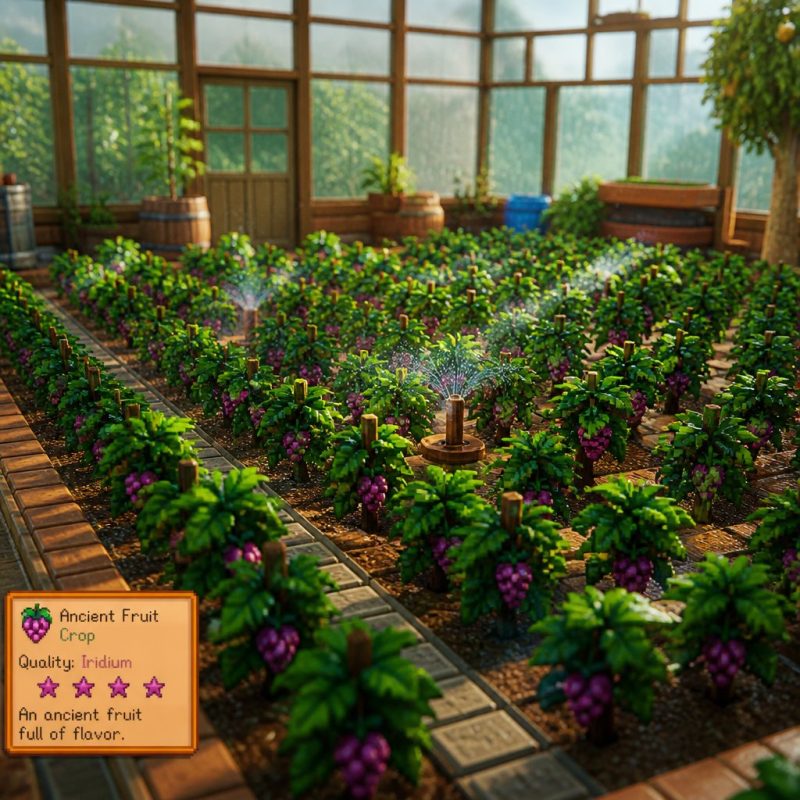
Stardew Valley wins this category decisively. Stardew has over 100 crop varieties, artisan goods, kegs, preserve jars, quality sprinklers, and a Gold/Iridium quality system that rewards players who optimize their farm layout obsessively.
Palia’s farming is functional but intentionally lighter. You grow crops like wheat, tomatoes, and cotton, water them manually or via irrigation plots, and sell or cook the produce. There’s no equivalent to Stardew’s artisan pipeline — no turning blueberries into wine and aging them in a cellar for 4x profit. Palia farming is about daily routine and decoration, not optimization chains.
For players who want to talk crop rankings, our Stardew Valley best crops ranked by profit piece shows exactly why Ancient Fruit and Starfruit dominate late game — mechanics Palia simply doesn’t have.
Which Game Has Better Multiplayer — Palia or Stardew Valley?
Palia wins multiplayer by design. It was built from the ground up as a shared-world game. You exist in a persistent zone alongside other real players, can visit their housing plots, join group fishing events, hunt Palium ore together, and gift characters alongside friends in real time.
Stardew Valley’s multiplayer — added in 2018 — supports up to 4 players on a shared farm. It works well, but it’s clearly a secondary feature. One player hosts, others join as farmhands, and the experience is co-op survival more than social hangout. There’s no drop-in public server. You’re playing with people you already know.
If social connection is your primary motivation for gaming, Palia is the right call. If you want a tight co-op experience with your partner or a few friends and don’t want to deal with strangers, Stardew’s multiplayer is more than enough.
Is Palia Free-to-Play in a Predatory Way?
Palia’s monetization is cosmetic-only — outfits, furniture sets, hair styles, and housing decorations sold in the in-game store using Palia Coins, purchased with real money. There are no pay-to-win mechanics, no energy refills for cash, no crop boosters behind a paywall.
That said, some of the most visually appealing content in Palia sits behind the cash shop. Premium furniture bundles and outfit sets can cost the equivalent of $10–20 USD per piece. Players who want their housing plot to look exceptional will feel the pull. It’s not predatory, but it’s not invisible either.
Stardew Valley has zero microtransactions. You pay approximately $14.99 once and get everything — forever, including all major updates ConcernedApe has released since launch. That’s an extraordinary value for the content volume you receive.
Does the Contrarian Take Hold Up — Is Palia Actually Better for New Players?
Here’s where conventional wisdom gets it wrong: most people assume Stardew Valley is the “easier entry point” because it’s the more famous game. It isn’t. Stardew Valley has a deceptively steep learning curve that punishes early mistakes hard. Miss the egg festival on Spring 13 Year 1? You wait a full year for another shot at a strawberry starter. Run out of energy mining on Fall 27 before harvest? You’ve lost crops.
Palia has no energy system, no seasonal deadlines, and no fail states. You can log in whenever, play at whatever pace you want, and nothing despawns or dies while you’re offline — at least not punitively. The FarmVilleFreak community has consistently seen newer cozy-game players get overwhelmed by Stardew’s time pressure and bounce off it within the first two seasons.
For someone brand new to the farming-sim genre, Palia is genuinely the softer landing. For someone ready to sink teeth into a rich system, Stardew is the obvious next step. If you’re already a fan of relaxed games like Animal Crossing, our piece on games like Stardew Valley ranked by difficulty and depth maps out exactly where to go next.
How Do the Villagers and Relationship Systems Compare?
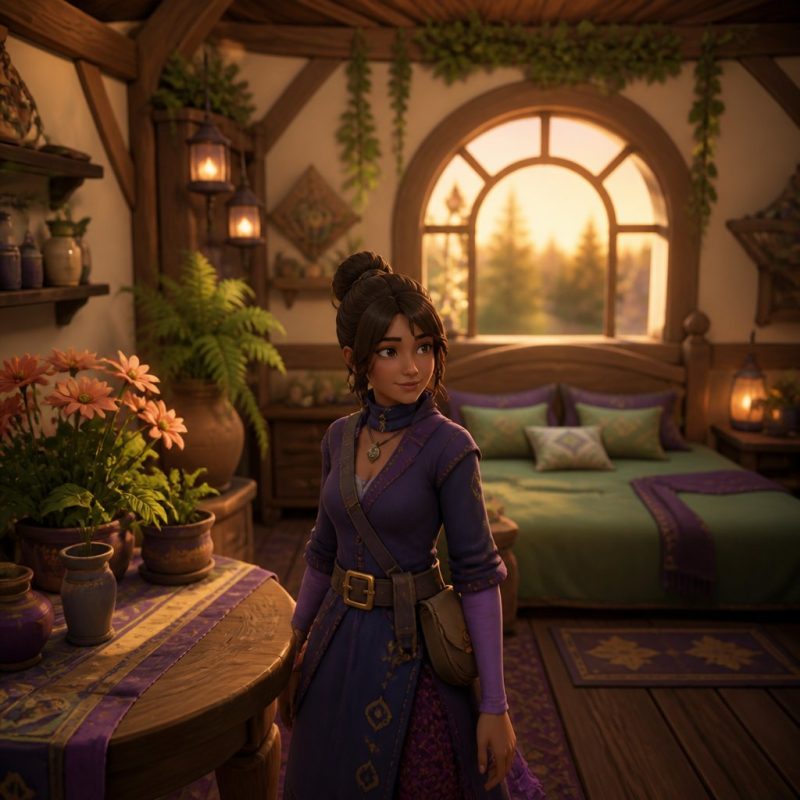
Stardew Valley has 12 marriageable characters and 30+ total villagers, each with multi-heart relationship tracks, unique cutscenes, birthday gifts, and deep personal backstories. Romancing Haley, befriending Linus, or unlocking Harvey’s 14-heart event are genuinely memorable story moments. The Stardew Valley gift guide for every villager exists because the system is that detailed.
Palia has 12 core characters in Kilima Village, each with friendship tracks, weekly quests called “Weekly Wants,” and gift-giving mechanics. Characters like Jina, Hodari, and Zeki have personal storylines that unlock through friendship progression. The writing is warm and intentionally inclusive. Romance options exist but are more limited than Stardew’s full marriage system.
Stardew’s villager writing cuts deeper. Palia’s characters feel friendlier and less neurotic — which is either a plus or a minus depending on how much you enjoy Stardew’s more emotionally complicated cast.
Which Game Has More Content and Replayability?
Stardew Valley is the winner here, and it’s not particularly close. A single Stardew playthrough offers farming, fishing, mining, combat, community center bundles, the Joja storyline alternate path, foraging, cooking, crafting, and a late-game area called Ginger Island with its own questlines. Experienced players have logged 500+ hours across multiple farm types and challenges.
Palia is a live-service game, so its content expands over time. As of 2026, it has a second map region — Bahari Bay — hunting mechanics, fishing, cooking, multiple housing plot options, and ongoing seasonal events. The total content volume is still smaller than Stardew’s, but Palia patches frequently and the developers are active.
For raw replayability, Stardew is the better long-term investment. For ongoing new content dripped out on a schedule, Palia fits a live-service playstyle better. Both games reward using cozy games as a genuine relaxation tool, just through different structures.
Which Should You Actually Play — Palia or Stardew Valley?
Play Palia if: you want free-to-play, you enjoy playing with strangers online, you prefer no time pressure, and a social cozy atmosphere matters more than farming depth.
Play Stardew Valley if: you want the richest farming RPG on the market, you’re willing to pay once for a complete experience, you enjoy optimization and progression, and you want a game with meaningful story and character development.
Play both if: you have the time and want a soft daily game (Palia) alongside a deep-focus game (Stardew). They don’t compete — they serve different moods. Most people in the FarmVilleFreak community who tried Palia still have an active Stardew save running.
You can download Palia for free directly at playpalia.com. For Stardew Valley’s full feature list and platform availability, stardewvalley.net is the official source. If you want granular Stardew stats before deciding, the Stardew Valley Wiki is the most accurate resource available.
Frequently Asked Questions
Is Palia better than Stardew Valley?
Neither game is strictly better — they serve different needs. Palia excels at social, pressure-free cozy gameplay with free entry. Stardew Valley offers a richer farming system, deeper villager stories, and far more content for a one-time $14.99 purchase. If you want farming depth and replayability, Stardew wins. If you want a relaxed multiplayer hang with no time limits, Palia wins.
Is Palia free to play?
Yes, Palia is completely free to download and play on PC and Nintendo Switch. The game earns revenue through a cosmetic cash shop selling outfits, furniture, and decorations for real money. All gameplay content — farming, fishing, cooking, questing, and friendship systems — is accessible without spending anything. There are no pay-to-win mechanics or energy refill purchases.
Does Palia have combat like Stardew Valley?
Palia does not have traditional combat. Stardew Valley features a full 120-level mine with monsters, weapons, and combat skill progression, plus the Skull Cavern endgame dungeon. Palia has hunting — you track and shoot animals like Sernuk and Chapaa using a bow — but no monster combat or dungeon crawling. If combat progression matters to you, Stardew is the clear choice.
Can you get married in Palia?
Palia has romance options, but as of 2026 the relationship system doesn’t include a full marriage mechanic equivalent to Stardew Valley’s. Characters like Jina and Hassian have romance friendship tracks that unlock special storylines. Stardew Valley lets you marry any of 12 characters, move them onto your farm, have children, and unlock a 14-heart post-marriage event — a deeper commitment system overall.
How many players can play Palia together?
Palia’s shared world zones hold up to 24 players simultaneously. You can also form smaller groups and visit specific players’ housing plots. Stardew Valley supports a maximum of 4 players on a shared farm in co-op mode. For large-group social cozy gaming, Palia is the only option — Stardew’s multiplayer is strictly small-group.
Does Stardew Valley have an energy system and does Palia?
Stardew Valley has an energy bar that depletes as you farm, mine, fish, and chop wood. Running out of energy causes health to drain. Managing energy — through food, upgrades, and efficient scheduling — is core to early gameplay. Palia has no energy system. You can farm, fish, hunt, and craft without any stamina limit, which makes it significantly more relaxed for casual sessions.
Is Palia on mobile?
As of mid-2026, Palia is not available on mobile devices. It is playable on Windows PC and Nintendo Switch. Stardew Valley is available on iOS and Android in addition to PC, consoles, and Switch. If mobile gaming is important to you, Stardew Valley is the only option of the two currently.
Which game is better for beginners to the farming-sim genre?
Palia is the gentler starting point. It has no energy limits, no seasonal deadlines, no fail states, and a welcoming community of real players around you. Stardew Valley has more content but punishes inefficiency — miss the Spring 13 Egg Festival or waste your first summer, and you’ll feel it. New players to cozy farming games consistently find Palia less intimidating as a first experience.
Does Palia have seasonal crops like Stardew Valley?
Palia has crops that grow at different speeds but doesn’t use a seasonal rotation system like Stardew Valley’s Spring, Summer, Fall, Winter structure. In Stardew, planting the wrong crop in the wrong season destroys it. Palia’s crops grow year-round without seasonal expiration. Stardew’s seasonal system creates urgency and planning depth that Palia intentionally avoids.
What is the main reason to choose Stardew Valley over Palia in 2026?
Content depth and replayability. Stardew Valley has farming, mining, fishing, combat, cooking, community bundles, alternate storylines, Ginger Island content, and 30+ hours of new content through free updates — all for a single purchase of approximately $14.99. If you want a game that rewards hundreds of hours of engaged play and keeps offering new goals, Stardew Valley remains the stronger choice in 2026.