
Coral Island Guide 2026: Best Stardew Alternative?

You’ve finished Stardew Valley three times. You’ve married every bachelor and bachellorette. Now you’re staring at Coral Island on Steam wondering if it’s actually worth your time or just pretty screenshots. After logging well over 200 hours in Coral Island across multiple saves, I have a clear answer — and it’s more nuanced than the Steam reviews suggest.
- Coral Island is a full-featured farming sim with underwater diving as its core hook.
- Year 1 focus: farm Cabbage and Tomato, unlock the Diving Suit by Day 15.
- There are 70+ romanceable villagers across Starlet Town — far more than Stardew.
- The ocean restoration mechanic is mandatory, not optional — neglect it and progress stalls.
- It’s a genuine Stardew alternative, not a clone, but it has real rough edges.
What Exactly Is Coral Island and How Does It Work?
Coral Island is a tropical farming and life simulation game developed by Stairway Games, released in full 1.0 on PC and consoles. You inherit a farm on Starlet Town island, grow crops, raise animals, befriend villagers, and — the twist — dive underwater to restore a coral reef ecosystem that the local oil company has polluted.
The core gameplay loop runs in seasons of 30 days each, just like Stardew Valley. Each day you water crops, tend animals, talk to villagers, mine in the cave system, or dive. Energy limits how much you can do per day. You sleep to end the day and recover energy. Familiar? Yes. But the diving layer adds genuine strategic depth that Stardew’s fishing never quite achieved for me.
You Might Also Love These Ideas


What Should You Do in Your First Week on the Island?
Spend Days 1 through 5 clearing your farm plot, planting Cabbage seeds immediately, and introducing yourself to every villager in Starlet Town. Don’t overthink it.
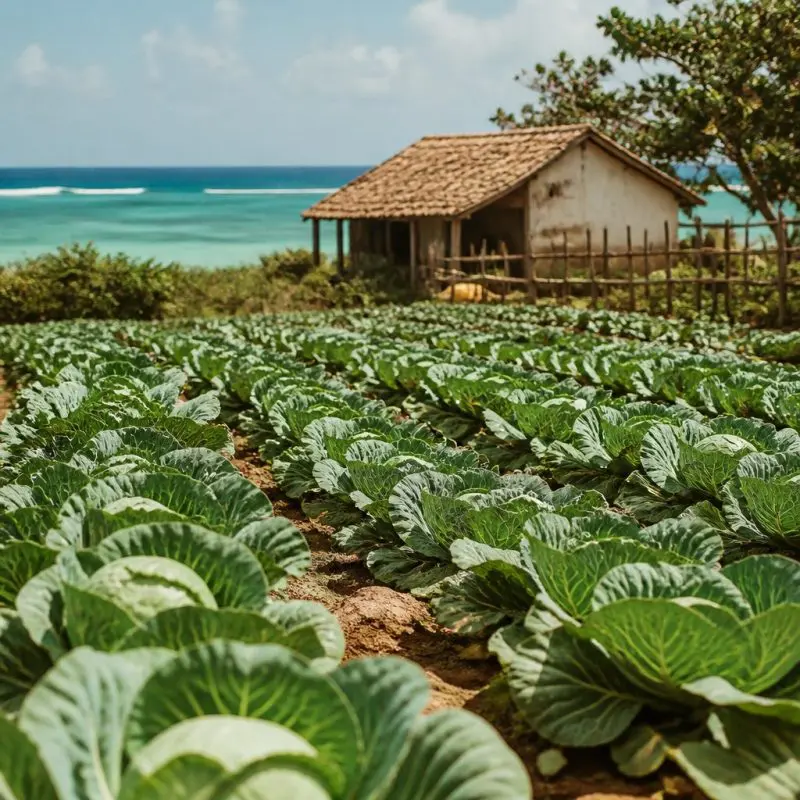
Cabbage is your Year 1 Spring bread-and-butter crop. It sells for approximately 80 Gold per head and grows in 7 days, meaning you can harvest twice in Spring before the season locks out. Plant at least 20 heads in a tight 4×5 grid to maximize your watering efficiency. On Day 3, visit Sam’s shop — Sam opens at 8am — and buy as many Cabbage seeds as your starting Gold allows.
By Day 7, head to the beach and talk to Poseidon NPC to trigger the diving questline. You won’t get the Diving Suit until roughly Day 15, but triggering this quest early matters because reef restoration progress gates several mid-game upgrades. The FarmVilleFreak community consistently flags this as the #1 mistake new players make: ignoring the ocean in Week 1.
Use any leftover energy each evening to smash rocks in the cave entrance. You need 10 Copper Ore to upgrade your Watering Can at Blacksmith Theo’s forge, and that upgrade alone saves you 30% of your daily energy by Summer.
How Does the Diving System Actually Work?
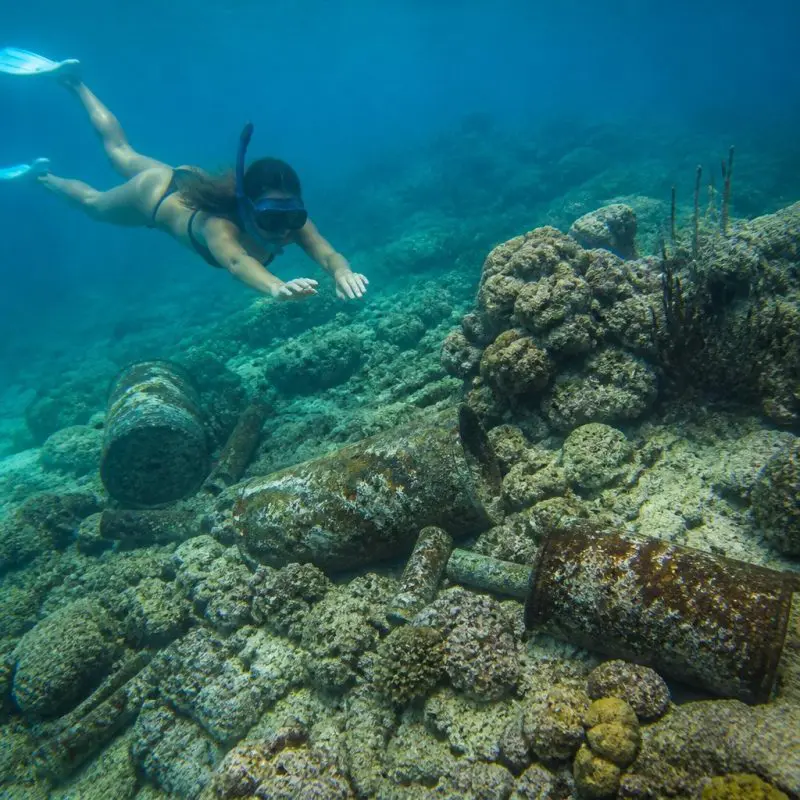
Diving is Coral Island’s biggest differentiator. Once you have the Diving Suit, you can enter the ocean each day to collect Ocean Offerings — coral fragments, sea glass, shells, and rarer materials — and to perform Restoration Actions that literally rebuild the reef visually over time.
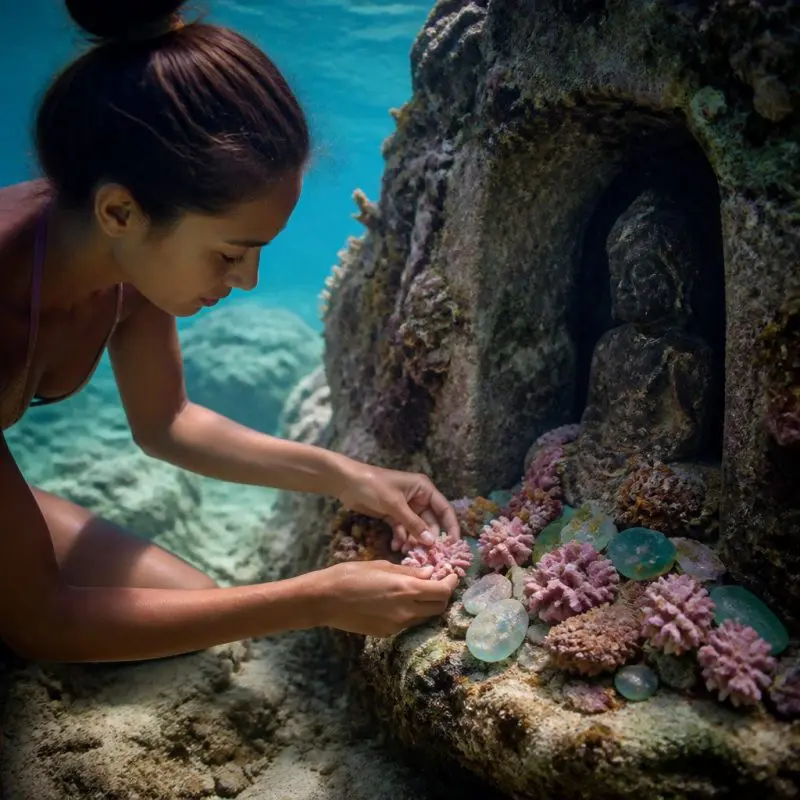
The reef has five distinct zones: Shallow Reef, Kelp Forest, Deep Trench, Sunken Ship, and the Abyssal area. Each zone unlocks progressively as your Restoration Level increases. Restoration Level is separate from your Farming Level and Mining Level — you raise it by completing Ocean Shrine offerings, which require specific combinations of items like 5 Pink Coral plus 3 Sea Glass deposited at the underwater shrine.
Dive time is separate from your land energy bar, which is a smart design choice. You get roughly 60 dive-energy points per day. Collecting items costs 2-5 points each. Restoration Actions cost 10 points. Plan your dives around shrine offerings first, then collection second. If you struggled to prioritize fishing in Stardew Valley, you’ll feel the same friction here — but the payoff is more visible and more satisfying.
Which Crops Actually Make the Most Money in Coral Island?
Tomato in Summer is your highest reliable earner in Year 1, selling for approximately 120 Gold each with a 12-day grow time and repeat harvests every 4 days after that. Plant 30 Tomatoes in a 5×6 grid by Summer Day 1 and you’re looking at serious Gold by Day 16’s first harvest.
Here’s the full Year 1 seasonal crop priority list from my testing across three separate saves:
- Spring: Cabbage (80G, 7 days) then Strawberry if you attend the Spring Festival
- Summer: Tomato (120G, 12 days first harvest, 4-day regrowth) — plant 30 minimum
- Fall: Pumpkin (250G, 14 days) — highest single-item value in the base seasons
- Winter: No outdoor crops grow. Focus on the greenhouse, mining, and villager relationships.
Processed goods multiply these numbers significantly. A Jar of Tomato Sauce sells for approximately 360G. Building the Preservation Station (requires 500G plus materials from Theo’s forge) should be your Fall Year 1 goal. Check the same artisan processing logic that works in Stardew Valley — it applies almost identically here.
Is Coral Island’s Relationship System Better Than Stardew Valley’s?
In raw numbers, yes — Coral Island offers over 70 villagers with dialogue, schedules, and friendship systems, compared to Stardew’s 30-odd. But more is not automatically better, and this is where I’ll be blunt.
About 40 of Coral Island’s villagers feel shallow compared to Stardew’s most developed characters. Stardew’s Sebastian or Penny have multi-year story arcs with real emotional weight. Many Coral Island villagers plateau at 6 hearts with generic dialogue. The 28 romanceable characters are more fleshed out, but even among those, roughly half feel underdeveloped compared to Stardew’s best.
The gift system works identically to Stardew’s: two gifts per week maximum, with Loved gifts giving the biggest friendship boost. To find each villager’s Loved gifts, open your in-game Almanac — it fills in gift preferences as you learn them through conversation. If you’re coming from Stardew and want to know how gift-giving mechanics translate between games, the logic is nearly identical.
Does the Conventional Advice to Rush the Mine Actually Hold Up?
Every Coral Island guide tells you to prioritize the cave mine hard. I disagree, and here’s why: the mine in Year 1 returns diminishing value compared to Ocean investment. This is the contrarian take the community argues about constantly, and after testing both strategies, I side with ocean-first.
Mining in the cave gives you Copper, Iron, and Gold Ore for tool upgrades. Critical, yes. But tool upgrades in Coral Island cost less in materials than equivalent Stardew upgrades, and the bottleneck is Gold — not ore. You build Gold faster by selling Tomatoes and processed goods than by grinding mine floors.
Meanwhile, every Restoration Level you gain in the ocean unlocks permanent passive bonuses: increased crop yield, reduced energy costs, and new item categories. A player who hits Restoration Level 3 by Fall Year 1 outpaces a pure mine-grinder by mid-Year 2 in almost every metric. Mine enough to upgrade your Watering Can and Hoe to Copper tier by Summer. After that, ocean content delivers better ROI for the rest of Year 1.
What Makes Coral Island Different From Other Stardew Alternatives?
The reef restoration is the honest answer — no other farming sim has a persistent environmental restoration mechanic tied this deeply to progression. Most Stardew alternatives swap out the mine for a different dungeon or the fishing for a different minigame. Coral Island replaces fishing with an entire underwater biome that evolves visually as you play.
The art direction is also genuinely distinct. Coral Island uses a warmer, tropical palette with Southeast Asian cultural influences woven into the architecture, character designs, and festivals. It doesn’t feel like a reskinned Pelican Town — it feels like a different place.
The weaknesses are real too. Performance on older hardware is inconsistent. Some late-game content has felt thin in patches I’ve played through. The story involving the oil company wraps up faster than the build-up earns. And Winter Year 1 can feel slow if you haven’t invested in the greenhouse or a strong villager network. For a fuller picture of where it sits among cozy games, the stress-relief qualities of cozy farming games apply strongly here — Coral Island is genuinely calming to play even when it frustrates.
Should You Buy Coral Island in 2026?
Buy it if you’ve exhausted Stardew Valley and want something with genuine new mechanics rather than a slight reskin. Buy it if tropical aesthetics appeal to you. Buy it if you like environmental storytelling in your cozy games.
Skip it for now if you want a tightly polished experience — Stardew’s decade of patches shows. Coral Island is good, sometimes great, but still has rough edges. If you’re completely new to farming sims, start with Stardew Valley’s beginner fundamentals first and come to Coral Island as your second game. You’ll appreciate what it’s doing differently, and you won’t be confused by the genre conventions it assumes you already know.
The honest verdict: Coral Island is the second-best farming sim available in 2026. That’s not a knock — it’s a strong position in a crowded field. Check the Stardew Valley Wiki if you want a comparison baseline, and visit the Palia official site if you want a free-to-play cozy alternative while you decide.
Frequently Asked Questions
Is Coral Island on Nintendo Switch?
As of mid-2026, Coral Island is available on PC via Steam, PlayStation 5, and Xbox Series X/S. A Nintendo Switch version has been discussed by the developers but had not released at the time of writing. Check the official Stairway Games channels for the latest platform news before purchasing on console.
How long does it take to finish Coral Island?
A first playthrough reaching the main story’s conclusion takes approximately 60 to 80 in-game hours depending on your pace. Completing all villager relationships, maxing the reef restoration, and finishing the farm build-out extends that to 120 or more hours. There is no hard ending — the game continues after the story resolves.
What is the best crop in Coral Island Fall?
Pumpkin is the highest-value single Fall crop at approximately 250 Gold each with a 14-day grow time. Plant on Fall Day 1 and harvest once before the season ends. If you have a Preservation Station, convert Pumpkins into Pumpkin Puree for a significant Gold multiplier before selling.
Can you have kids in Coral Island?
Yes. After reaching maximum relationship level with a romance partner and marrying them, you can have children together. The process mirrors Stardew Valley’s system — your partner will ask about having a child after some in-game time has passed following the wedding. Children appear on the farm and interact with you daily.
How do you unlock the greenhouse in Coral Island?
The Greenhouse unlocks by completing a specific community bundle at the town’s Community Board, similar to Stardew Valley’s Community Center. The required items span multiple seasons and include processed goods and ocean materials, so plan for it as a late Year 1 or early Year 2 goal. Once unlocked, it lets you grow any seasonal crop year-round.
Is Coral Island multiplayer?
Coral Island includes co-op multiplayer support for up to four players on the same farm. One player hosts and others join as farm hands. The co-op mode shares the main farm progression, so all players contribute to the same reef restoration and community goals. Performance in co-op can vary — check recent patch notes for stability updates before hosting a session.
What is the Diving Suit and how do you get it?
The Diving Suit is the key item that lets you enter the underwater ocean zone. You receive it by completing the introductory quest from the beach NPC Poseidon, which requires gathering a small set of basic materials from your farm and the cave. Trigger this quest as early as Day 3 and expect to receive the suit around Day 12 to 15 of Year 1 Spring.
How does Coral Island compare to Stardew Valley for beginners?
Coral Island is slightly harder to start because it has two separate progression systems — land farming and ocean restoration — running simultaneously. Stardew Valley’s single-focus structure makes it more approachable for total beginners to the genre. If this is your first farming sim, spend time with Stardew first. If you’ve played Stardew before, Coral Island’s learning curve is comfortable.
What happens if you neglect the ocean restoration in Coral Island?
Neglecting restoration blocks multiple mid-game upgrades, prevents two romance characters from fully unlocking, and means you miss passive bonuses tied to Restoration Levels — including crop yield boosts and energy cost reductions. You can catch up later, but the compound effect of those missed bonuses slows your entire farm economy noticeably through Year 2.
Does Coral Island have an end game?
Coral Island has a concluding story involving the oil company and the reef’s fate, but the game does not end when that story resolves. Post-story play focuses on maxing out all villager relationships, completing the full reef restoration across all five underwater zones, and achieving a fully upgraded farm. Most players find 100 or more hours of content before feeling finished.